Achilles Tendon Disorders

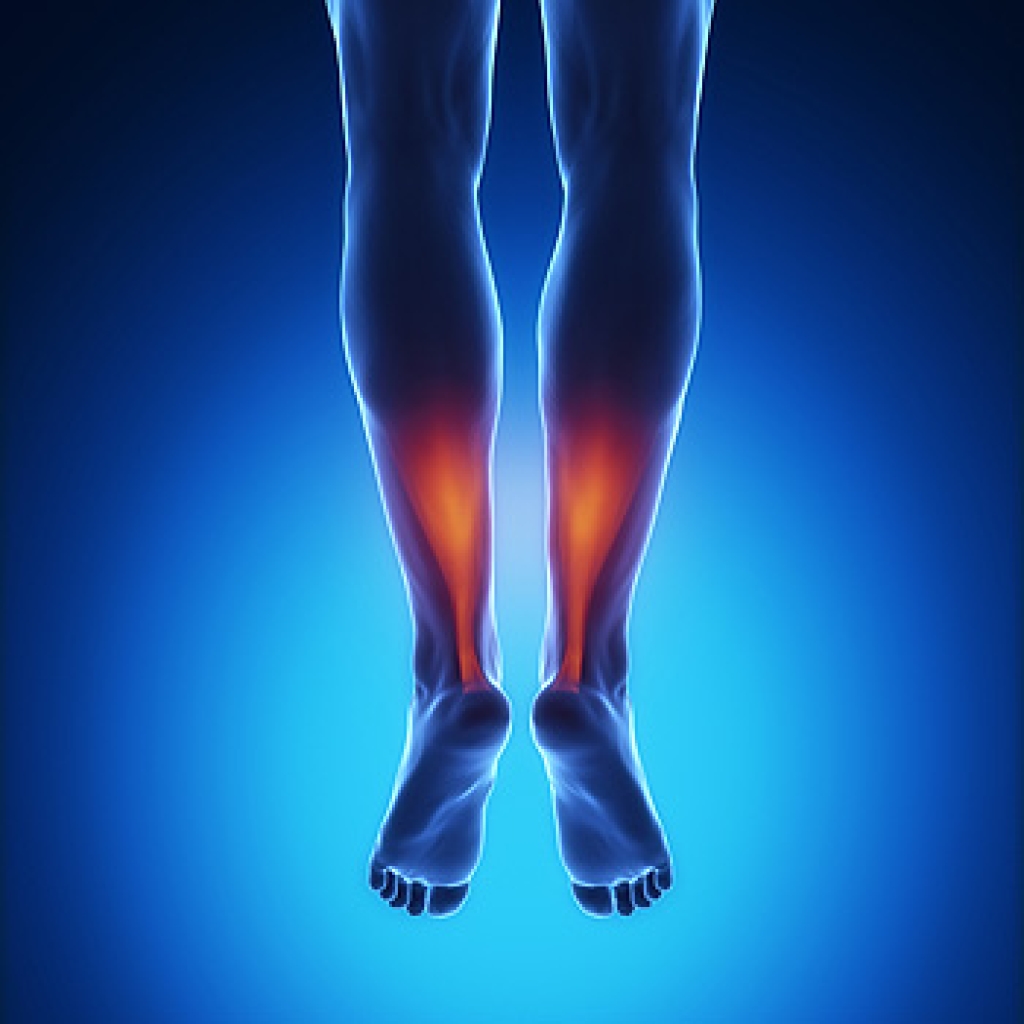
The Achilles tendon is a thick band of fibrous tissue that runs along the back of the lower leg, connecting the heel bone to the calf muscles. When the Achilles tendon is injured, resulting symptoms may include pain, aching, stiffness, soreness or tenderness in the heel or back of the leg, enlargement of the tendon, and damage to the surrounding tissues. There are two main types of Achilles tendon disorders – Achilles tendonitis and Achilles tendonosis. Tendonitis is a typically short-lived inflammation of the tendon. Tendonosis, which can evolve from tendonitis if the former is not treated promptly, can lead to tears in the tendon and degeneration over time. If you have symptoms of an Achilles tendon injury, it is suggested that you consult with a podiatrist.

Achilles tendon injuries need immediate attention to avoid future complications. If you have any concerns, contact one of our podiatrists of Houston Foot and Ankle. Our doctors can provide the care you need to keep you pain-free and on your feet.

What Is the Achilles Tendon?

The Achilles tendon is a tendon that connects the lower leg muscles and calf to the heel of the foot. It is the strongest tendon in the human body and is essential for making movement possible. Because this tendon is such an integral part of the body, any injuries to it can create immense difficulties and should immediately be presented to a doctor.

What Are the Symptoms of an Achilles Tendon Injury?

There are various types of injuries that can affect the Achilles tendon. The two most common injuries are Achilles tendinitis and ruptures of the tendon.

Achilles Tendinitis Symptoms

  • Inflammation
  • Dull to severe pain
  • Increased blood flow to the tendon
  • Thickening of the tendon

Rupture Symptoms

  • Extreme pain and swelling in the foot
  • Total immobility

Treatment and Prevention

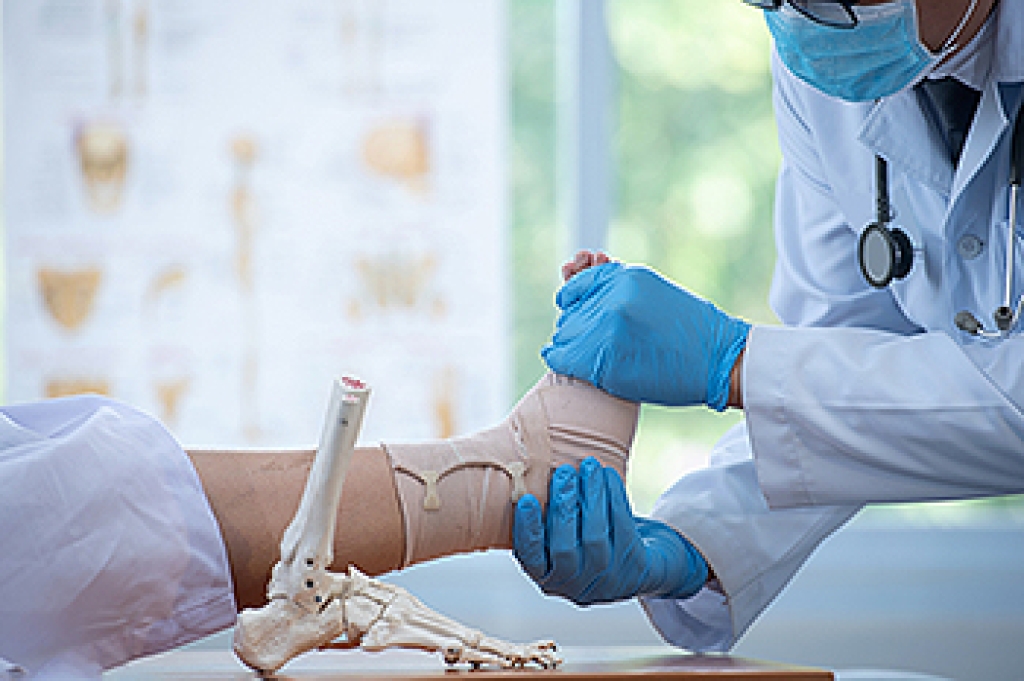
Achilles tendon injuries are diagnosed by a thorough physical evaluation, which can include an MRI. Treatment involves rest, physical therapy, and in some cases, surgery. However, various preventative measures can be taken to avoid these injuries, such as:

  • Thorough stretching of the tendon before and after exercise
  • Strengthening exercises like calf raises, squats, leg curls, leg extensions, leg raises, lunges, and leg presses

If you have any questions please feel free to contact our offices located in Kingwood, Humble, The Woodlands, and Conroe, TX . We offer the newest diagnostic tools and technology to treat your foot and ankle needs.

Read more about What are Achilles Tendon Injuries

What Is a Walking Boot?

A walking boot is an orthotic device used to protect the foot or ankle after an injury. The boot helps keep the foot stable and in the right position so that it can heal properly. Walking boots can also help keep weight and pressure off of an injured area. Injuries that may require wearing a walking boot include broken bones, tendon injuries, severe sprains, and shin splints. Most walking boots have two to five adjustable straps that hold the boot in place over the injured leg. How long you will need to wear the walking boot will depend on your specific injury and its severity. For more information, please consult with a podiatrist. 

If you are having discomfort in your feet and would like to try orthotics, contact one of our podiatrists from Houston Foot and Ankle. Our doctors can provide the care you need to keep you pain-free and on your feet.

What Are Orthotics?

Orthotics are inserts you can place into your shoes to help with a variety of foot problems such as flat feet or foot pain. Orthotics provide relief and comfort for minor foot and heel pain but can’t correct serious biomechanical problems in your feet.

Over-the-Counter Inserts

Orthotics come in a wide variety of over-the-counter inserts that are used to treat foot pain, heel pain, and minor problems. For example, arch supports can be inserted into your shoes to help correct overarched or flat feet, while gel insoles are often used because they provide comfort and relief from foot and heel pain by alleviating pressure.

Prescription Orthotics

If over-the-counter inserts don’t work for you or if you have a more severe foot concern, it is possible to have your podiatrist prescribe custom orthotics. These high-quality inserts are designed to treat problems such as abnormal motion, plantar fasciitis, and severe forms of heel pain. They can even be used to help patients suffering from diabetes by treating foot ulcers and painful calluses and are usually molded to your feet individually, which allows them to provide full support and comfort.

If you are experiencing minor to severe foot or heel pain, it’s recommended to speak with your podiatrist about the possibilities of using orthotics. A podiatrist can determine which type of orthotic is right for you and allow you to take the first steps towards being pain-free.

If you have any questions, please feel free to contact our offices located in Kingwood, Humble, The Woodlands, and Conroe, TX . We offer the newest diagnostic and treatment technologies for all your foot care needs.

Read more about Foot Orthotics

Do You Suffer From Painful Feet?

Painful deformities, such as hammertoes, can be treated. Stop living with foot pain, and have beautiful feet again!

Baseball’s Potential Toll on the Feet

There are a variety of injuries that can impact the feet and ankles that come from playing baseball. One of the most common injuries that occurs in baseball, due to running, sliding, and stepping on bases, is an ankle sprain. Athletes who overtrain can also develop heel injuries, such as plantar fasciitis or Achilles tendinopathy. There are also a number of injuries that can be caused by cleats. If the cleats don’t fit properly, they could cause issues such as bunions, hammertoes and neuromas. Ingrown toenails are also common among baseball players, since toenails that are cut too short or at an angle can dig into the skin and get infected. Baseball players who are dealing with any sort of pain or aggravation in their feet or ankles would be wise to consult with a podiatrist for a proper diagnosis and treatment plan.  

Ankle and foot injuries are common among athletes and in many sports. They can be caused by several problems and may be potentially serious. If you are feeling pain or think you were injured in a sporting event or when exercising, consult with one of our podiatrists from Houston Foot and Ankle. Our doctors will assess your condition and provide you with quality foot and ankle treatment.

Common Injuries

The most common injuries that occur in sporting activities include:

  • Achilles Tendonitis
  • Achilles Tendon Rupture
  • Ankle Sprains
  • Broken Foot
  • Plantar Fasciitis
  • Stress Fractures
  • Turf Toe

Symptoms

Symptoms vary depending upon the injury and in some cases, there may be no symptoms at all. However, in most cases, some form of symptom is experienced. Pain, aching, burning, bruising, tenderness, tightness or stiffness, sensation loss, difficulty moving, and swelling are the most common symptoms.

Treatment

Just as symptoms vary depending upon the injury, so do treatment options. A common treatment method is known as the RICE method. This method involves rest, applying ice, compression and elevating the afflicted foot or ankle. If the injury appears to be more serious, surgery might be required, such as arthroscopic or reconstructive surgery. Lastly, rehabilitation or therapy might be needed to gain full functionality in the afflicted area. Any discomfort experienced by an athlete must be evaluated by a licensed, reputable medical professional.  

If you have any questions please contact our offices located in Kingwood, Humble, The Woodlands, and Conroe, TX . We offer the newest diagnostic and treatment technologies for all your foot and ankle needs.

Read more about Sports Related Foot And Ankle Injuries

What to Do for Cracked Heels

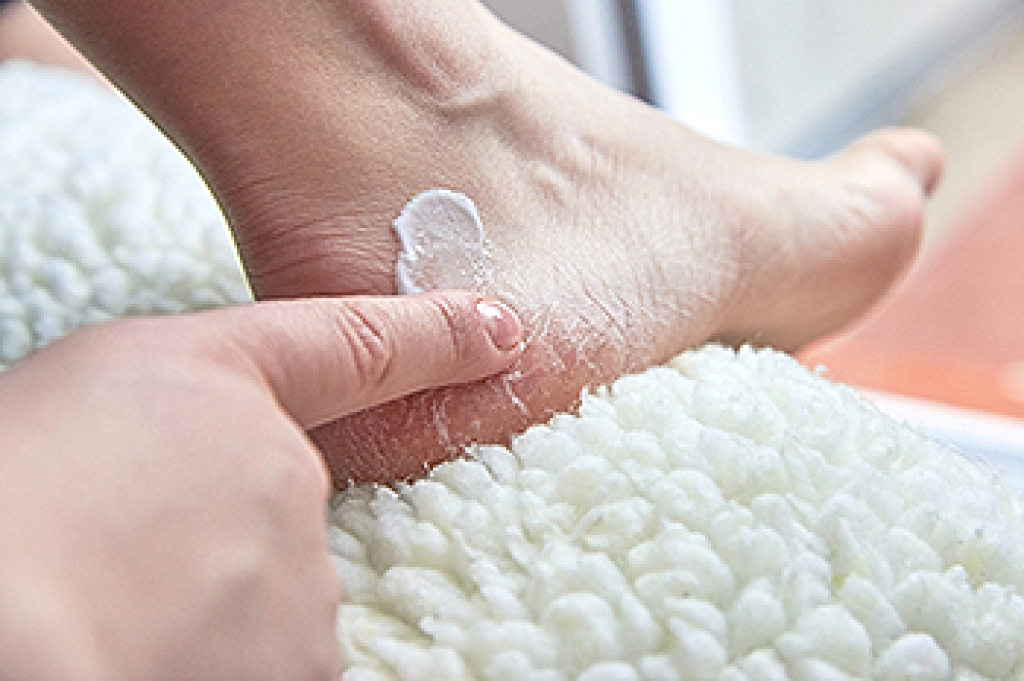
Heel fissures, also known as cracked heels, are the result of splitting and cracking on the skin of the heel. As the skin on the heel dries out, it loses its strength and elasticity, and it gets hard, dry, and flaky. Cracked heels can have a variety of causes that include standing for long periods of time, wearing shoes that don’t fit correctly, cold/dry weather, or obesity. If you are struggling with dry and cracked heels, applying moisturizer to the heels is the first key step in dealing with the situation. It is also important to use a pumice stone and/or liquid bandage on the affected area as well as avoiding harsh soaps and long harsh showers. In severe cases, cracked heels may require the help of a podiatrist who can help remove dead skin, prescribe stronger medicine, prescribe antibiotics, and suggest shoe inserts or heel pads. Therefore, if you are struggling with cracked heels don’t hesitate to visit a podiatrist for treatment recommendations.  

Cracked heels are unsightly and can cause further damage to your shoes and feet. If you have any concerns, contact one of our podiatrists from Houston Foot and Ankle. Our doctors can provide the care you need to keep you pain-free and on your feet.

Cracked Heels

Cracked heels appear unappealing and can make it harder for you walk around in sandals. Aside from looking unpleasant, cracked heels can also tear stockings, socks, and wear out your shoes. There are several methods to help restore a cracked heel and prevent further damage.

How Do You Get Them?

Dry skin is the number one culprit in creating cracked heels. Many athletes, walkers, joggers, and even swimmers suffer from cracked heels. Age and skin oil production play a role to getting cracked heels as well.

Promote Healing

Over the counter medicines can help, especially for those that need instant relief or who suffer from chronic dry feet.

Wear Socks – Wearing socks with medicated creams helps lock in moisture.

Moisturizers – Applying both day and night will help alleviate dryness which causes cracking.

Pumice Stones – These exfoliate and remove dead skin, which allows for smoother moisturizer application and better absorption into the skin. 

Change in Diet

Eating healthy with a well-balanced diet will give the skin a fresh and radiant look. Your body responds to the kinds of food you ingest. Omega-3 fatty acids and zinc supplements can also revitalize skin tissue.

Most importantly, seek professional help if unsure how to proceed in treating cracked heels. A podiatrist will help you with any questions or information needed. 

If you have any questions, please feel free to contact our offices located in Kingwood, Humble, The Woodlands, and Conroe, TX . We offer the newest diagnostic and treatment technologies for all your foot care needs.

Read more about Solutions for Cracked Heels

Connect With Us

Advanced Podiatric Procedures & Services in the Harris County, TX: Houston, Kingwood, Humble, Spring;  Atascosa County, TX: Atascocita; Montgomery County, TX: The Woodlands, Conroe, New Caney areas