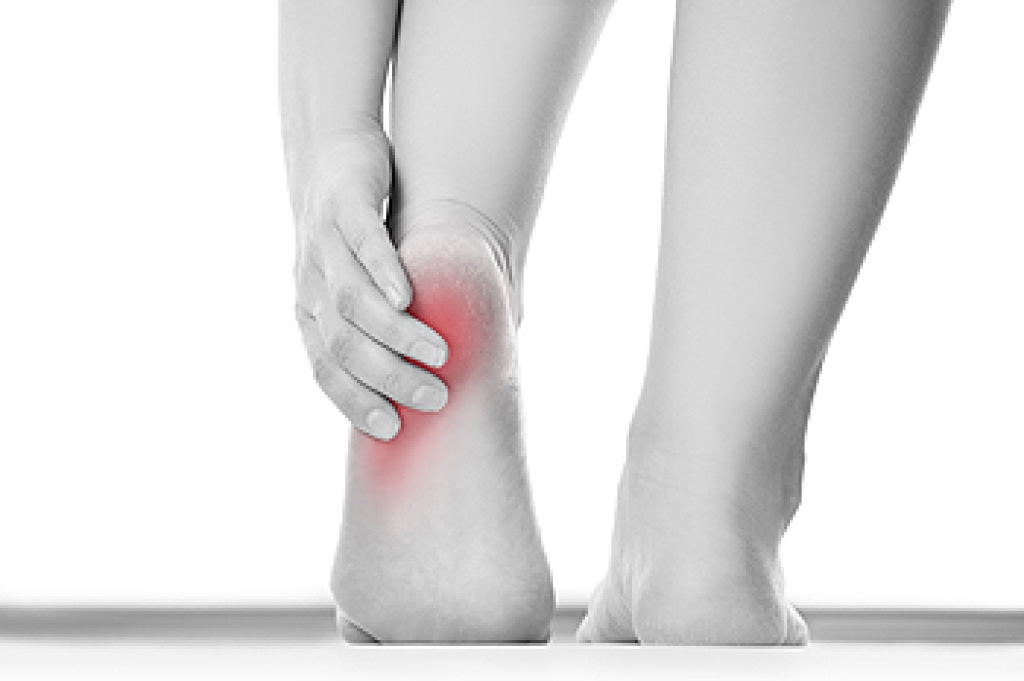
What Can Make Your Heel Hurt?

Heel pain is one of the most common reasons that people seek the care of a podiatrist. Because the heel is such a foundational part of the body, there are many potential reasons that your heel may hurt. Sometimes heel pain occurs as a natural consequence of aging. The fatty pad on the bottom of the heel, which provides cushioning and protection to the heels, slowly wears away with age, increasing the risk of heel pain. Various injuries, such as plantar fasciitis, Achilles tendonitis, fractures, sprains, and tarsal tunnel syndrome, can also make the heel hurt. Systemic conditions, including arthritis and peripheral neuropathy, may be to blame for your heel pain. Lifestyle factors, such as wearing ill-fitting shoes or standing or exercising excessively can contribute to heel pain as well. If you are suffering from heel pain, it is suggested that you see a podiatrist for treatment.

Many people suffer from bouts of heel pain. For more information, contact one of our podiatrists of Houston Foot and Ankle. Our doctors can provide the care you need to keep you pain-free and on your feet.

Causes of Heel Pain

Heel pain is often associated with plantar fasciitis. The plantar fascia is a band of tissues that extends along the bottom of the foot. A rip or tear in this ligament can cause inflammation of the tissue.

Achilles tendonitis is another cause of heel pain. Inflammation of the Achilles tendon will cause pain from fractures and muscle tearing. Lack of flexibility is also another symptom.

Heel spurs are another cause of pain. When the tissues of the plantar fascia undergo a great deal of stress, it can lead to ligament separation from the heel bone, causing heel spurs.

Why Might Heel Pain Occur?

  • Wearing ill-fitting shoes                
  • Wearing non-supportive shoes
  • Weight change           
  • Excessive running

Treatments

Heel pain should be treated as soon as possible for immediate results. Keeping your feet in a stress-free environment will help. If you suffer from Achilles tendonitis or plantar fasciitis, applying ice will reduce the swelling. Stretching before an exercise like running will help the muscles. Using all these tips will help make heel pain a condition of the past.

If you have any questions, please feel free to contact our offices located in Kingwood, Humble, The Woodlands, and Conroe, TX . We offer the newest diagnostic and treatment technologies for all your foot care needs.

Read more about Heel Pain

Is My Broken Foot an Emergency?

The foot consists of 26 bones. When one or more of these bones are broken, it is known as a foot fracture. Although it may sound frightening, a broken foot is not always an emergency. Whether or not you should rush to the ER depends on the severity of the injury. If you are experiencing mild pain, swelling, and bruising, you should schedule an appointment with a podiatrist. If, however, you have moderate to severe pain, swelling, bruising, visible deformity, numbness, coldness, or discoloration in the injured foot, it is strongly suggested that you seek emergency treatment. For more information about foot fractures, please consult with a podiatrist.

A broken foot requires immediate medical attention and treatment. If you need your feet checked, contact one of our podiatrists from Houston Foot and Ankle. Our doctors can provide the care you need to keep you pain-free and on your feet.

Broken Foot Causes, Symptoms, and Treatment

A broken foot is caused by one of the bones in the foot typically breaking when bended, crushed, or stretched beyond its natural capabilities. Usually the location of the fracture indicates how the break occurred, whether it was through an object, fall, or any other type of injury. 

Common Symptoms of Broken Feet:

  • Bruising
  • Pain
  • Redness
  • Swelling
  • Blue in color
  • Numbness
  • Cold
  • Misshapen
  • Cuts
  • Deformities

Those that suspect they have a broken foot shoot seek urgent medical attention where a medical professional could diagnose the severity.

Treatment for broken bones varies depending on the cause, severity and location. Some will require the use of splints, casts or crutches while others could even involve surgery to repair the broken bones. Personal care includes the use of ice and keeping the foot stabilized and elevated.

If you have any questions, please feel free to contact our offices located in Kingwood, Humble, The Woodlands, and Conroe, TX . We offer the newest diagnostic and treatment technologies for all your foot care needs.

Read more about Causes, Symptoms, and Treatment for a Broken Foot

Tips for Preventing Blisters

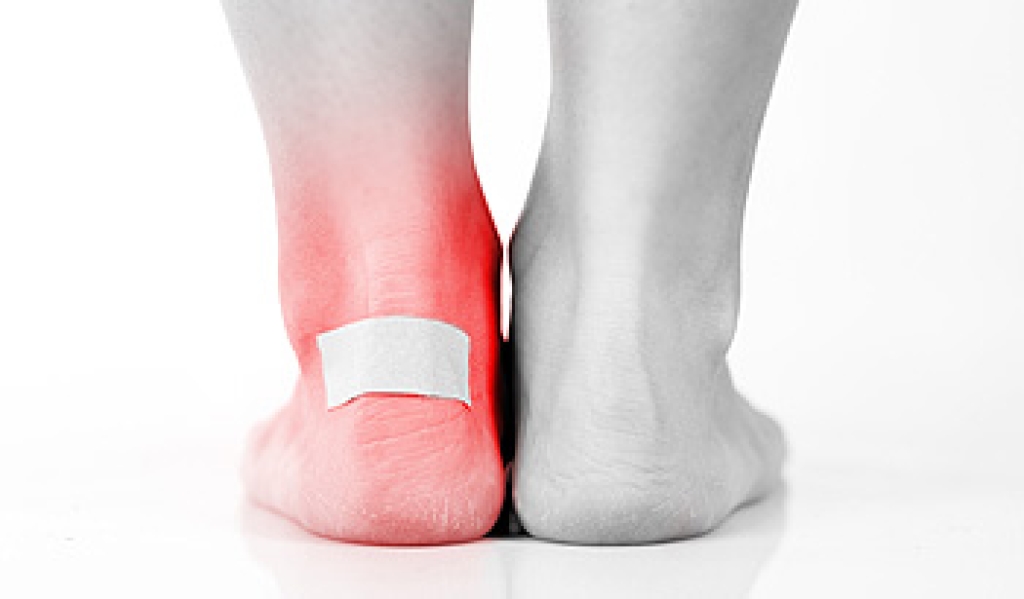
Foot blisters are a common but very annoying problem. Fortunately, there are many ways to prevent them. First, you should look for a shoe that fits well, holds your heel firmly in place, and leaves some wiggle room for your toes. Avoid buying shoes with rough seams or edges along the inside, as these can irritate the skin. Socks are important too. Look for socks that are made with a moisture-wicking material. These will help keep your feet dry. You can also use an antiperspirant or talcum powder. Toughen the skin on your feet by slowly increasing the distance of your walks or runs and by moisturizing your heels if they are dry. If you have certain areas of your feet that are prone to blistering, cover them with sports tape, moleskin, or special patches to protect them. For more information about how to prevent foot blisters, please consult with a podiatrist. 

Blisters are prone to making everyday activities extremely uncomfortable. If your feet are hurting, contact one of our podiatrists of Houston Foot and Ankle. Our doctors can provide the care you need to keep you pain-free and on your feet.

Foot Blisters

Foot blisters develop as a result of constantly wearing tight or ill-fitting footwear. This happens due to the constant rubbing from the shoe, which can often lead to pain.

What Are Foot Blisters?

A foot blister is a small fluid-filled pocket that forms on the upper-most layer of the skin. Blisters are filled with clear fluid and can lead to blood drainage or pus if the area becomes infected.

How Do Blisters Form?

Blisters on the feet are often the result of constant friction of skin and material, usually by shoe rubbing. Walking in sandals, boots, or shoes that don’t fit properly for long periods of time can result in a blister. Having consistent foot moisture and humidity can easily lead to blister formation.

Prevention & Treatment

It is important to properly care for the affected area in order to prevent infection and ease the pain. Do not lance the blister and use a Band-Aid to provide pain relief. Also, be sure to keep your feet dry and wear proper fitting shoes. If you see blood or pus in a blister, seek assistance from a podiatrist.

If you have any questions, please feel free to contact our offices located in Kingwood, Humble, The Woodlands, and Conroe, TX . We offer the newest diagnostic and treatment technologies for all your foot care needs.
Read more about Blisters

Medications for Fungal Toenail Infections

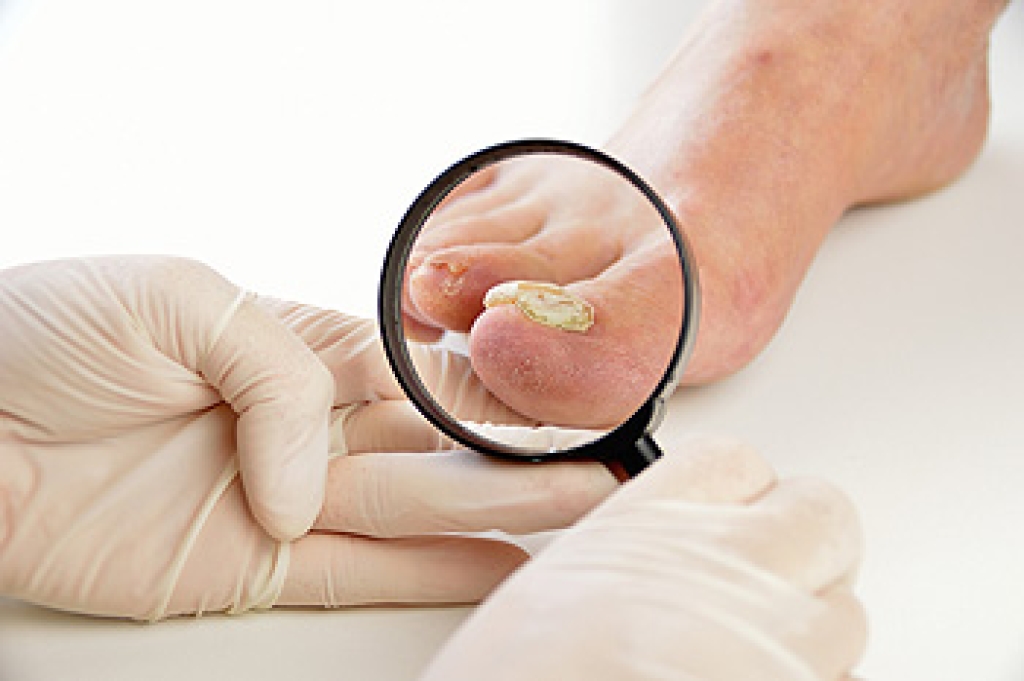
Toenail fungus is extremely common, affecting about 5.5% of adults around the world. This condition can cause the toenails to become brittle, crumbly, discolored, or misshapen. In severe cases, the nails may even begin to separate from the nail bed and emit a foul odor. Treating fungal toenails can be difficult, as it can take a long time before there are visible results. There are various treatment options available, including topical medications that are applied directly to the nail, oral medications that are taken by mouth, and laser treatment. Currently, many podiatrists prescribe a combination of oral and topical treatments. While these medications can be effective, oral medications may cause unwanted side effects, and topical medications are not as effective for severe infections. If you have toenail fungus, it is suggested that you are under the care of a podiatrist. 

For more information about treatment, contact one of our podiatrists of Houston Foot and Ankle. Our doctors can provide the care you need to keep you pain-free and on your feet.

Toenail Fungus Treatment

Toenail fungus is a condition that affects many people and can be especially hard to get rid of. Fortunately, there are several methods to go about treating and avoiding it.

Antifungals & Deterrence

Oral antifungal medicine has been shown to be effective in many cases. It is important to consult with a podiatrist to determine the proper regiment for you, or potentially explore other options.

Applying foot powder on the feet and shoes helps keep the feet free of moisture and sweat.

Sandals or open toed shoes – Wearing these will allow air movement and help keep feet dry. They also expose your feet to light, which fungus cannot tolerate. Socks with moisture wicking material also help as well.

If you have any questions please contact our offices located in Kingwood, Humble, The Woodlands, and Conroe, TX . We offer the newest diagnostic and treatment technologies for all your foot and ankle needs.

Read more about Toenail Fungus

Connect With Us

Advanced Podiatric Procedures & Services in the Harris County, TX: Houston, Kingwood, Humble, Spring;  Atascosa County, TX: Atascocita; Montgomery County, TX: The Woodlands, Conroe, New Caney areas