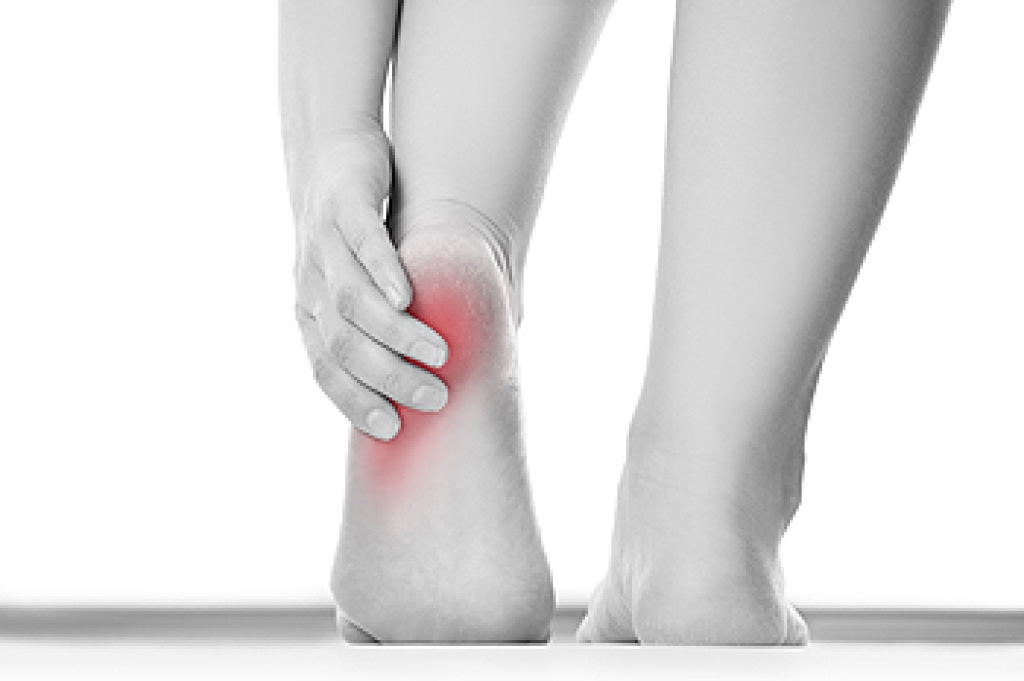
What Are the Treatments for Plantar Fasciitis?

Plantar fasciitis is a condition in which the ligament at the bottom of the foot, the plantar fascia, becomes inflamed due to repetitive stress or injury. It can cause heel pain, which is typically at its worst when first arising in the morning. The goal of plantar fasciitis treatment is to reduce pain and inflammation. Decreasing stress on the plantar fascia may help with this and can be achieved by resting the foot, avoiding activities that aggravate the plantar fascia, such as running or jogging, and wearing shoes or orthotics that provide more support to the arch area. Icing the foot for 15-20 minutes using an ice pack wrapped in a towel can decrease inflammation. Massaging the foot across the width of the plantar fascia can reduce pain from standing. Stretching and strengthening exercises for the foot can help prevent plantar fascia injuries in the future. If you are experiencing plantar fasciitis pain that does not get better with home treatment, it is suggested that you consult with a podiatrist. 

Plantar fasciitis can be very painful and inconvenient. If you are experiencing heel pain or symptoms of plantar fasciitis, contact one of our podiatrists  from Houston Foot and Ankle. Our doctors can provide the care you need to keep you pain-free and on your feet.

What Is Plantar Fasciitis?

Plantar fasciitis is the inflammation of the thick band of tissue that runs along the bottom of your foot, known as the plantar fascia, and causes mild to severe heel pain.

What Causes Plantar Fasciitis?

  • Excessive running
  • Non-supportive shoes
  • Overpronation
  • Repeated stretching and tearing of the plantar fascia

How Can It Be Treated?

  • Conservative measures – anti-inflammatories, ice packs, stretching exercises, physical therapy, orthotic devices
  • Shockwave therapy – sound waves are sent to the affected area to facilitate healing and are usually used for chronic cases of plantar fasciitis
  • Surgery – usually only used as a last resort when all else fails. The plantar fascia can be surgically detached from the heel

While very treatable, plantar fasciitis is definitely not something that should be ignored. Especially in severe cases, speaking to your doctor right away is highly recommended to avoid complications and severe heel pain. Your podiatrist can work with you to provide the appropriate treatment options tailored to your condition.

If you have any questions, please feel free to contact our offices located in Kingwood, Humble, The Woodlands, and Conroe, TX . We offer the newest diagnostic and treatment technologies for all your foot care needs.

Read more about Plantar Fasciitis

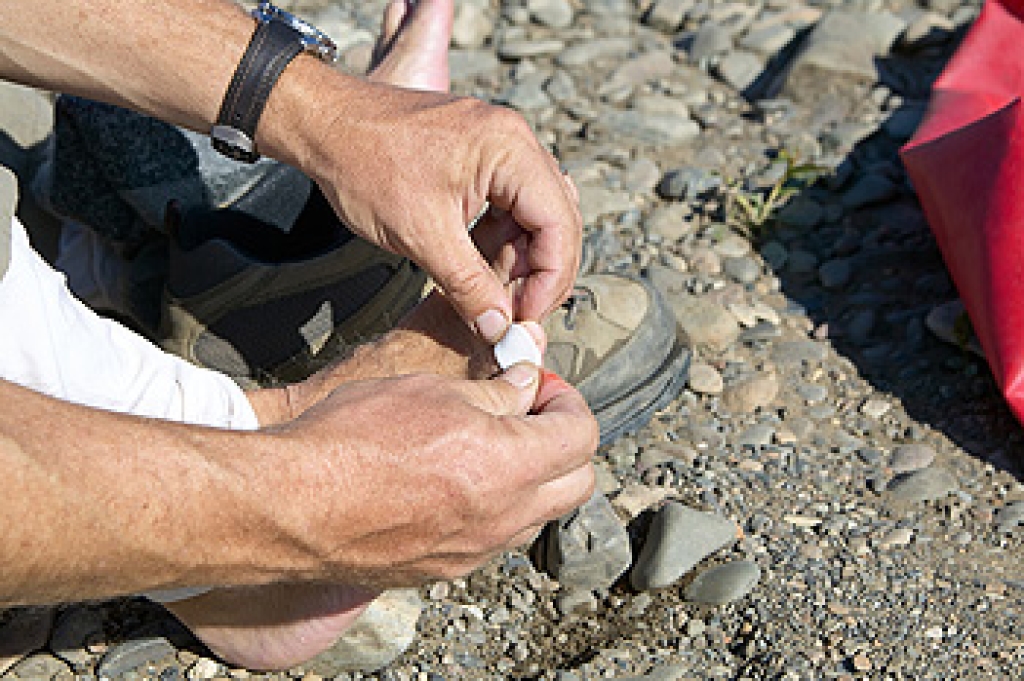
What Is the Liquid Inside of a Blister?

Most blisters on the feet occur due to friction. For example, this occurs when a shoe that is too tight rubs against the skin repeatedly, weakening it. The weakened skin breaks down and leaves a small space between skin layers, which then becomes filled with a clear liquid. This clear liquid is called serum. Serum consists of water, protein, and carbs that come out of leaky or injured blood vessels. The serum cushions and protects the underlying tissue from damage so that it can heal. Because of this, it is generally suggested that you avoid popping the blister since this causes the serum to leak out, leaving the raw skin underneath the blister exposed. The exposed raw skin is at an increased risk for developing discomfort and infection. For more information about foot blisters, consult with a podiatrist today.

Blisters are prone to making everyday activities extremely uncomfortable. If your feet are hurting, contact one of our podiatrists of Houston Foot and Ankle. Our doctors can provide the care you need to keep you pain-free and on your feet.

Foot Blisters

Foot blisters develop as a result of constantly wearing tight or ill-fitting footwear. This happens due to the constant rubbing from the shoe, which can often lead to pain.

What Are Foot Blisters?

A foot blister is a small fluid-filled pocket that forms on the upper-most layer of the skin. Blisters are filled with clear fluid and can lead to blood drainage or pus if the area becomes infected.

How Do Blisters Form?

Blisters on the feet are often the result of constant friction of skin and material, usually by shoe rubbing. Walking in sandals, boots, or shoes that don’t fit properly for long periods of time can result in a blister. Having consistent foot moisture and humidity can easily lead to blister formation.

Prevention & Treatment

It is important to properly care for the affected area in order to prevent infection and ease the pain. Do not lance the blister and use a Band-Aid to provide pain relief. Also, be sure to keep your feet dry and wear proper fitting shoes. If you see blood or pus in a blister, seek assistance from a podiatrist.

If you have any questions, please feel free to contact our offices located in Kingwood, Humble, The Woodlands, and Conroe, TX . We offer the newest diagnostic and treatment technologies for all your foot care needs.

Read more about Blisters on the Feet

Children's Shoes Should Be the Right Size

Getting your child shoes that fit properly is crucial to having their feet feel comfortable during everyday activities. The ideal shoes for your child to wear should be constructed with soft, breathable, and flexible materials. Children’s feet grow approximately a half inch per year, so it is important to ensure that your child’s shoes fit properly. It is beneficial to measure your child’s feet every month, as this will help you choose the right size shoes. Most children are unable to tie their shoes at this early age, and it is suggested that Velcro straps are used. If you would like additional information about how to purchase the correct size children’s shoes, please confer with a podiatrist.

Making sure that your children maintain good foot health is very important as they grow. If you have any questions, contact one of our podiatrists of Houston Foot and Ankle. Our doctors can provide the care you need to keep you pain-free and on your feet.

Keeping Children's Feet Healthy

Having healthy feet during childhood can help prevent medical problems later in life, namely in the back and legs. As children grow, their feet require different types of care. Here are some things to consider...

Although babies do not walk yet, it is still very important to take care of their feet.

Avoid putting tight shoes or socks on his or her feet.

Allow the baby to stretch and kick his or her feet to feel comfortable.

As a toddler, kids are now on the move and begin to develop differently. At this age, toddlers are getting a feel for walking, so don’t be alarmed if your toddler is unsteady or ‘walks funny’. 

As your child gets older, it is important to teach them how to take care of their feet.

Show them proper hygiene to prevent infections such as fungus.

Be watchful for any pain or injury.

Have all injuries checked by a doctor as soon as possible.

Comfortable, protective shoes should always be worn, especially at play.

If you have any questions, please feel free to contact our offices located in Kingwood, Humble, The Woodlands, and Conroe, TX . We offer the newest diagnostic and treatment technologies for all your foot care needs.

Read more about What to Do to Keep Your Child’s Feet Healthy

Common Foot and Ankle Injuries in Soccer

Just like most physical activities, there is a risk of a variety of foot and ankle injuries that can occur from playing soccer. While many are acute, overuse injuries can happen as well. One of the most common injuries (and re-injuries) that occurs is an ankle sprain. When the ankle rolls, the ligaments can become damaged or torn. Achilles tendonitis is another form of an overuse injury that causes pain and inflammation to the Achilles tendon in the back of the ankle. Metatarsal stress fractures are also a common overuse injury in soccer. A stress fracture is a hairline crack in the bones that causes gradual worsening pain. If you have been injured or notice moderate to severe pain or swelling, especially while walking, visiting a podiatrist for a proper diagnosis and treatment method is highly recommended.

Sports related foot and ankle injuries require proper treatment before players can go back to their regular routines. For more information, contact one of our podiatrists of Houston Foot and Ankle. Our doctors can provide the care you need to keep you pain-free and on your feet.

Sports Related Foot and Ankle Injuries

Foot and ankle injuries are a common occurrence when it comes to athletes of any sport. While many athletes dismiss the initial aches and pains, the truth is that ignoring potential foot and ankle injuries can lead to serious problems. As athletes continue to place pressure and strain the area further, a mild injury can turn into something as serious as a rupture and may lead to a permanent disability. There are many factors that contribute to sports related foot and ankle injuries, which include failure to warm up properly, not providing support or wearing bad footwear. Common injuries and conditions athletes face, including:

  • Plantar Fasciitis
  • Achilles Tendinitis
  • Achilles Tendon Rupture
  • Ankle Sprains

Sports related injuries are commonly treated using the RICE method. This includes rest, applying ice to the injured area, compression and elevating the ankle. More serious sprains and injuries may require surgery, which could include arthroscopic and reconstructive surgery. Rehabilitation and therapy may also be required in order to get any recovering athlete to become fully functional again. Any unusual aches and pains an athlete sustains must be evaluated by a licensed, reputable medical professional.

If you have any questions please contact our offices located in Kingwood, Humble, The Woodlands, and Conroe, TX . We offer the newest diagnostic and treatment technologies for all your foot and ankle needs.

Read more about Sports Related Foot And Ankle Injuries

Connect With Us

Advanced Podiatric Procedures & Services in the Harris County, TX: Houston, Kingwood, Humble, Spring;  Atascosa County, TX: Atascocita; Montgomery County, TX: The Woodlands, Conroe, New Caney areas