Definition and Symptoms of Morton’s Neuroma

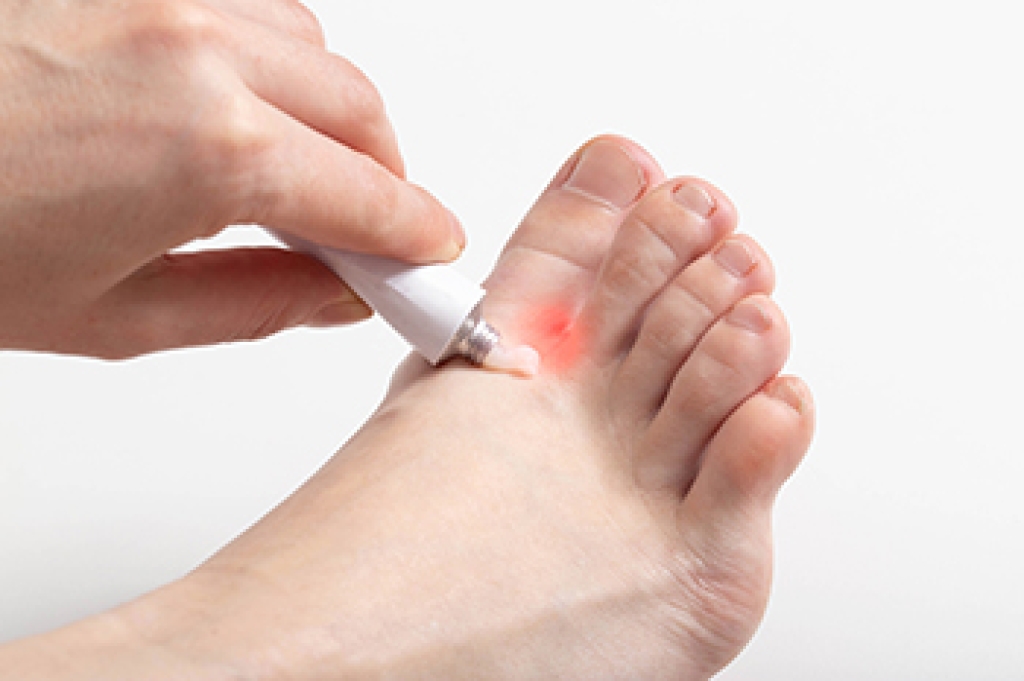
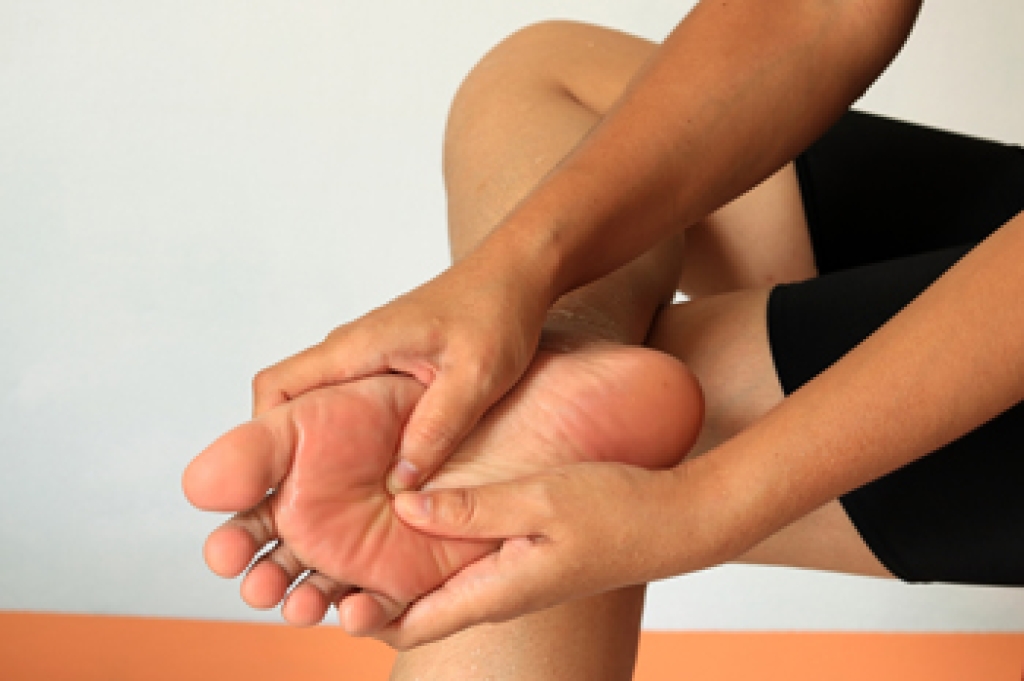
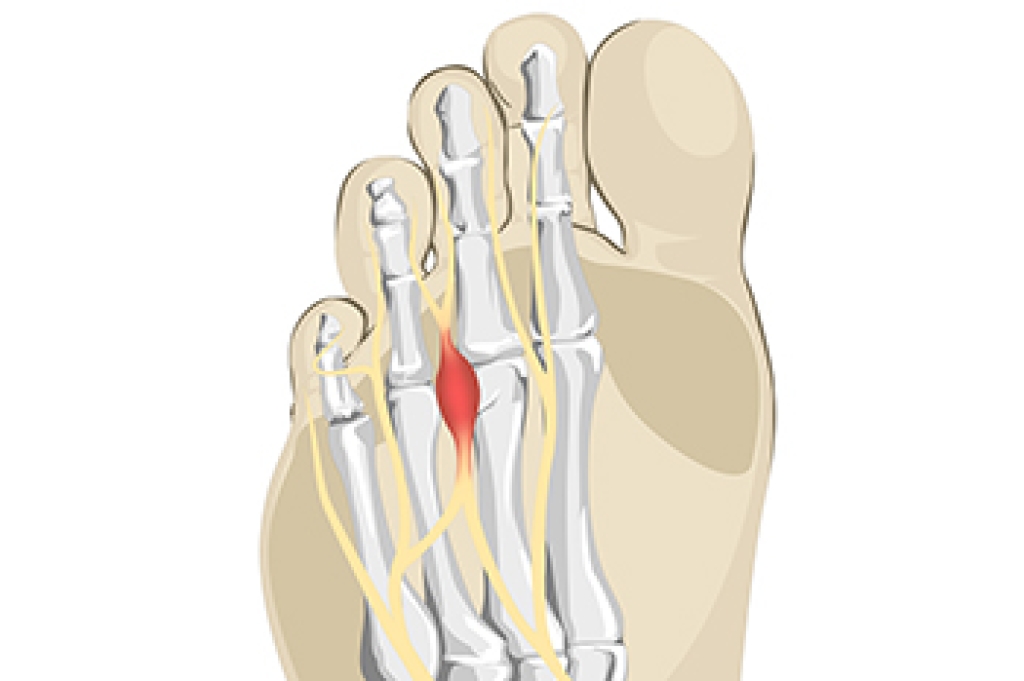
Morton's neuroma is a painful condition affecting the ball of the foot, commonly between the third and fourth toes. It occurs when the tissue surrounding one of the nerves leading to the toes thickens, causing sharp, burning pain in the ball of the foot. Symptoms often include a sensation of standing on a pebble, tingling, or numbness in the toes. The pain may worsen with activities like walking or wearing tight shoes. Patients often describe a feeling of something being caught in the shoe or a persistent discomfort in the forefoot. Identifying and addressing these symptoms early can help manage the condition and prevent further complications. If you are experiencing any of the above sensations, it is suggested that you confer with a podiatrist who can diagnose and treat Morton’s neuroma.

Morton’s neuroma is a very uncomfortable condition to live with. If you think you have Morton’s neuroma, contact one of our podiatrists of Houston Foot and Ankle. Our doctors will attend to all of your foot care needs and answer any of your related questions.  

Morton’s Neuroma

Morton's neuroma is a painful foot condition that commonly affects the areas between the second and third or third and fourth toe, although other areas of the foot are also susceptible. Morton’s neuroma is caused by an inflamed nerve in the foot that is being squeezed and aggravated by surrounding bones.

What Increases the Chances of Having Morton’s Neuroma?

  • Ill-fitting high heels or shoes that add pressure to the toe or foot
  • Jogging, running or any sport that involves constant impact to the foot
  • Flat feet, bunions, and any other foot deformities

Morton’s neuroma is a very treatable condition. Orthotics and shoe inserts can often be used to alleviate the pain on the forefront of the feet. In more severe cases, corticosteroids can also be prescribed. In order to figure out the best treatment for your neuroma, it’s recommended to seek the care of a podiatrist who can diagnose your condition and provide different treatment options.

If you have any questions, please feel free to contact our offices located in Kingwood, Humble, The Woodlands, and Conroe, TX . We offer the newest diagnostic and treatment technologies for all your foot care needs.

Read more about Morton's Neuroma

Common Symptoms of Gout

Gout is a form of arthritis characterized by sudden, intense pain, often in the big toe, but it can affect other joints as well. The pain is typically described as sharp, throbbing, or excruciating, making even the lightest touch unbearable. In addition to the pain, affected joints often become swollen, red, and warm to the touch. These symptoms can come on suddenly, often at night, and can last for several days or even weeks. During a gout attack, movement of the affected joint is extremely painful, and the skin around the joint can appear shiny and stretched. Some individuals might also experience a lingering discomfort even after the severe pain subsides, along with decreased mobility in the joint. Chronic gout can lead to persistent pain and can cause damage to the joints over time. If you have pain in your big toe, it is strongly suggested that you consult a podiatrist.

Gout is a foot condition that requires certain treatment and care. If you are seeking treatment, contact one of our podiatrists from Houston Foot and Ankle. Our doctors will treat your foot and ankle needs.

What Is Gout?

Gout is a type of arthritis caused by a buildup of uric acid in the bloodstream. It often develops in the foot, especially the big toe area, although it can manifest in other parts of the body as well. Gout can make walking and standing very painful and is especially common in diabetics and the obese.

People typically get gout because of a poor diet. Genetic predisposition is also a factor. The children of parents who have had gout frequently have a chance of developing it themselves.

Gout can easily be identified by redness and inflammation of the big toe and the surrounding areas of the foot. Other symptoms include extreme fatigue, joint pain, and running high fevers. Sometimes corticosteroid drugs can be prescribed to treat gout, but the best way to combat this disease is to get more exercise and eat a better diet.

If you have any questions, please feel free to contact our offices located in Kingwood, Humble, The Woodlands, and Conroe, TX . We offer the newest diagnostic and treatment technologies for all your foot care needs.

Read more about Everything You Need to Know About Gout

Foot and Ankle Pain From Wearing High Heels

Wearing high heels can be fashionable, but they often come with the price of foot and ankle pain. The design of high heels forces the foot into an unnatural position, placing excessive pressure on the ball of the foot and causing the toes to be cramped together. This can lead to a range of issues, including blisters, calluses, bunions, and hammertoes. The elevated heel also alters the body's alignment, putting additional strain on the ankles, knees, and lower back. High heels can also contribute to developing plantar fasciitis, where the ligament running along the bottom of the foot becomes inflamed and painful. Ankle sprains are more likely due to the instability caused by the narrow heel base. To minimize these risks, it is important to choose high heels with proper support and cushioning, limit the time spent wearing them, and perform regular foot stretches and exercises to maintain flexibility and strength. If you experience foot or ankle pain after wearing high heels, it is suggested that you schedule an appointment with a podiatrist for an exam and treatment.

High heels have a history of causing foot and ankle problems. If you have any concerns about your feet or ankles, contact one of our podiatrists from Houston Foot and Ankle. Our doctors can provide the care you need to keep you pain-free and on your feet.

Effects of High Heels on the Feet

High heels are popular shoes among women because of their many styles and societal appeal.  Despite this, high heels can still cause many health problems if worn too frequently.

Which Parts of My Body Will Be Affected by High Heels?

  • Ankle Joints
  • Achilles Tendon – May shorten and stiffen with prolonged wear
  • Balls of the Feet
  • Knees – Heels cause the knees to bend constantly, creating stress on them
  • Back – They decrease the spine’s ability to absorb shock, which may lead to back pain.  The vertebrae of the lower back may compress.

What Kinds of Foot Problems Can Develop from Wearing High Heels?

  • Corns
  • Calluses
  • Hammertoe
  • Bunions
  • Morton’s Neuroma
  • Plantar Fasciitis

How Can I Still Wear High Heels and Maintain Foot Health?

If you want to wear high heeled shoes, make sure that you are not wearing them every day, as this will help prevent long term physical problems.  Try wearing thicker heels as opposed to stilettos to distribute weight more evenly across the feet.  Always make sure you are wearing the proper shoes for the right occasion, such as sneakers for exercising.  If you walk to work, try carrying your heels with you and changing into them once you arrive at work.  Adding inserts to your heels can help cushion your feet and absorb shock. Full foot inserts or metatarsal pads are available. 

If you have any questions, please feel free to contact our offices located in Kingwood, Humble, The Woodlands, and Conroe, TX . We offer the newest diagnostic and treatment technologies for all your foot care needs.
Read more about Why High Heels Are Not Ideal for Healthy Feet

Gout Pain Can Be Managed

Gout is a painful, inflammatory form of arthritis. Those affected will typically feel an intense stiffness in the joints of their feet, particularly in the big toe. Schedule a visit to learn about how gout can be managed and treated.

Factors and Management of Swollen Feet

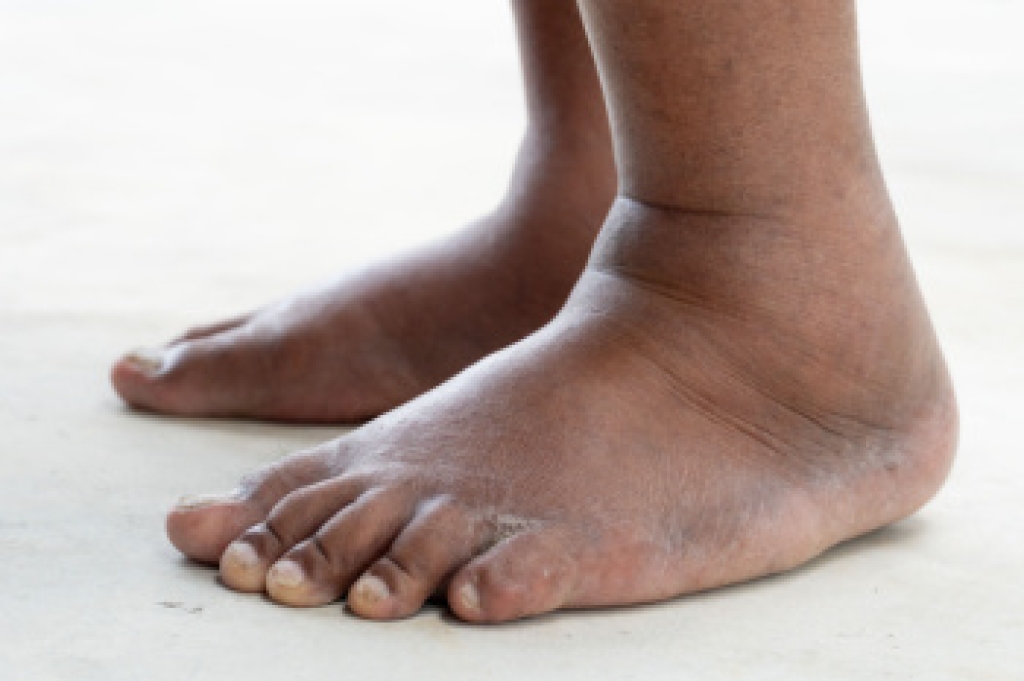
Swelling of the feet, also known as edema, is a condition that results from an abnormal accumulation of fluid in the tissues of the feet and ankles. This swelling can be caused by various factors, including standing or sitting for long periods, pregnancy, or obesity. Injury, or underlying health conditions like heart disease or kidney problems are other risk factors. Swollen feet can be uncomfortable, may restrict mobility, and can make daily tasks difficult to complete. Often, simple changes in regimen, such as elevating the feet, wearing compression socks, staying hydrated, and engaging in regular exercise may reduce the amount of swelling in the feet. If swelling persists or is accompanied by other concerning symptoms, it is suggested to seek evaluation and treatment from a podiatrist to ensure proper management and prevent complications.

Swollen feet can be a sign of an underlying condition. If you have any concerns, contact one of our podiatrists of Houston Foot and Ankle. Our doctors can provide the care you need to keep you pain-free and on your feet.

Swollen feet are a common ailment among pregnant women and people who stand or sit for extended periods. Aging may increase the possibility of swollen feet and patients who are obese often notice when their feet are swelling too. There may be medical reasons why swollen feet occur:

  • Phlebitis - A condition that causes the veins to become inflamed and can also cause leg pain.
  • Liver disease - This may lead to low blood levels of albumin which is a protein. This can cause fluid in the blood to pass into the tissues and several areas of the body can become swollen.
  • Heart failure - When the heart doesn’t pump properly the blood that is normally pumped back to the heart can pool in the veins of the legs causing swollen feet.
  • Kidney disease - One of the main functions of the kidneys is releasing excess fluid in the body. This type of condition can make it difficult for the kidneys to function properly, and as a result the feet may become swollen.
  • Deep-vein thrombosis (DVT)- This is a serious condition where blood clots form in the veins of the legs. They can block the return of blood from the legs to the heart which may cause the feet to swell. It is important to be treated by a podiatrist if this condition is present.

Swollen feet can also be caused by bone and tendon conditions, including fractures, arthritis, and tendinitis. Additionally, there may be skin and toenail conditions and an infection may cause the feet to swell. Patients who take medicine to treat high blood pressure may be prone to getting swollen feet. 

Many patients elevate their feet to help relieve the swelling and this is generally a temporary remedy. When a podiatrist is consulted the reason behind the swelling can be uncovered and subsequently treated.

If you have any questions please contact our offices located in Kingwood, Humble, The Woodlands, and Conroe, TX . We offer the newest diagnostic and treatment technologies for all your foot and ankle needs.

Read more about Swelling of the Feet

Athlete’s Foot Relief and Prevention Tips

Athlete's foot, or tinea pedis, is a common fungal infection affecting the skin of the feet, typically occurring between the toes. There are three main types of athlete’s foot, which are interdigital, moccasin, and vesicular. Interdigital athlete's foot typically occurs between the toes and is characterized by itching, scaling, and sometimes maceration of the skin. Moccasin athlete's foot affects the soles and sides of the feet, presenting as dry, thickened, and scaly skin that can sometimes crack. Vesicular athlete's foot features fluid-filled blisters, often appearing on the instep, and can cause intense itching and discomfort. The infection is caused by dermatophytes, which are fungi that thrive in warm, moist environments like locker rooms, public showers, and swimming pools. Risk factors include wearing tight, non-breathable footwear, sweating heavily, and walking barefoot in damp communal areas. Symptoms include itching, burning, peeling, and cracked skin, often accompanied by redness and blisters. Athlete's foot is extremely contagious and can spread through direct contact with infected skin or contaminated surfaces. Treatment involves antifungal medications, available as creams, sprays, or oral prescriptions, depending on the severity. If you have athlete’s foot, it is strongly suggested that you visit a podiatrist who can effectively treat the infection, which often includes prescribed medication.  

Athlete’s foot is an inconvenient condition that can be easily reduced with the proper treatment. If you have any concerns about your feet and ankles, contact one of our podiatrists from Houston Foot and Ankle.  Our doctors will treat your foot and ankle needs.

Athlete’s Foot: The Sole Story

Athlete's foot, also known as tinea pedis, can be an extremely contagious foot infection. It is commonly contracted in public changing areas and bathrooms, dormitory style living quarters, around locker rooms and public swimming pools, or anywhere your feet often come into contact with other people.

Solutions to Combat Athlete’s Foot

  • Hydrate your feet by using lotion
  • Exfoliate
  • Buff off nails
  • Use of anti-fungal products
  • Examine your feet and visit your doctor if any suspicious blisters or cuts develop

Athlete’s foot can cause many irritating symptoms such as dry and flaking skin, itching, and redness. Some more severe symptoms can include bleeding and cracked skin, intense itching and burning, and even pain when walking. In the worst cases, Athlete’s foot can cause blistering as well. Speak to your podiatrist for a better understanding of the different causes of Athlete’s foot, as well as help in determining which treatment options are best for you.

If you have any questions please feel free to contact our offices located in Kingwood, Humble, The Woodlands, and Conroe, TX . We offer the newest diagnostic and treatment technologies for all your foot and ankle needs.

Read more about How to Deal with Athlete's Foot

Proper Footwear in the Construction Industry

In the construction industry, wearing the right shoes is not just a matter of comfort. It is an important safety consideration that can make a significant difference in preventing injuries and ensuring productivity. Construction workers are exposed to various hazards on the job, including heavy objects, sharp materials, slippery surfaces, and electrical equipment, all of which pose risks to foot safety. Wearing sturdy, supportive footwear with reinforced toe caps and slip-resistant soles can provide essential protection against these dangers. Additionally, wearing proper footwear can help prevent common foot ailments such as plantar fasciitis, foot fatigue, and musculoskeletal injuries, allowing workers to stay comfortable and focused throughout the workday. Investing in high-quality work boots that meet safety standards and fit well is essential for every construction worker, as it not only promotes personal well-being but also enhances overall job performance and efficiency. By prioritizing the importance of wearing the right shoes, construction workers can mitigate risks and reduce accidents. Suffering from a foot injury during the workday may happen as a result of wearing the wrong type of shoes. If this has happened to you, it is suggested that you consult a podiatrist who can treat foot conditions and guide you on choosing the right work shoes.

While working on the feet, it is important to take the proper care of them. For more information about working on your feet, contact one of our podiatrists from Houston Foot and Ankle. Our doctors will treat your foot and ankle needs.

Working on Your Feet

Standing on your feet for long periods of time can cause stress and pain in your feet. Your whole body may experience change in terms of posture, back pain, bunions, callouses and or plantar warts. There are ways to avoid these conditions with proper foot care, smart choices and correct posture.

Positive Changes

Negative heeled shoe – Choosing this shoe type places the heel slightly lower than the ball of the foot. These are great for overall foot health. Find shoes that fit you correctly.

Go barefoot – Our feet were not designed to be enclosed for all hours of the day. Try to periodically expose your feet to air.

Eliminate Pain

Foot Exercises – Performing simple exercises, incorporating yoga and doing stretches are beneficial. This will allow increased blood flow to the area and muscles of the foot.

Achilles tendon – Stretching the foot out flat on the floor will relax the calf muscles and tendon. These exercises can be performed almost anywhere. Make sure you add these exercises to your daily regimen. 

With a little bit of this information and knowing more about foot health, you will notice changes. Foot stretches and proper footwear will help with pain and prevent further issues.

If you have any questions please contact our offices located in Kingwood, Humble, The Woodlands, and Conroe, TX . We offer the newest diagnostic and treatment technologies for all your foot and ankle needs.

Read more about How to Handle a Long Work Day on Your Feet

Reasons for Pins and Needles in the Feet

Experiencing a type of foot pain that feels like pins and needles in your feet can be quite disconcerting. This prickling, tingling, or numb sensation occurs when the nerves in your feet are deprived of adequate blood supply. It commonly happens when pressure is exerted on the feet, such as from sitting or sleeping in an awkward position. While this sensation typically subsides once you adjust your posture and restore blood flow, persistent or recurrent episodes may indicate an underlying issue that warrants attention. Diabetes, Raynaud's phenomenon, hyperventilation, sciatica, or multiple sclerosis can contribute to the onset of pins and needles. A  podiatrist can perform tests to find out what is causing this tingling sensation by identifying the root cause of your symptoms. With their expertise, a podiatrist can then develop a personalized treatment plan tailored to your specific needs. Some lifestyle adjustments or medication may be suggested. Do not let persistent pins and needles disrupt your daily life. If this applies to you, it is suggested that you schedule an appointment with a podiatrist for a comprehensive evaluation and effective management of your foot discomfort. 

Foot Pain

Foot pain can be extremely painful and debilitating. If you have a foot pain, consult with one of our podiatrists from Houston Foot and Ankle. Our doctors will assess your condition and provide you with quality foot and ankle treatment.

Causes

Foot pain is a very broad condition that could be caused by one or more ailments. The most common include:

  • Bunions
  • Hammertoes
  • Plantar Fasciitis
  • Bone Spurs
  • Corns
  • Tarsal Tunnel Syndrome
  • Ingrown Toenails
  • Arthritis (such as Gout, Rheumatoid, and Osteoarthritis)
  • Flat Feet
  • Injury (from stress fractures, broken toe, foot, ankle, Achilles tendon ruptures, and sprains)
  • And more

Diagnosis

To figure out the cause of foot pain, podiatrists utilize several different methods. This can range from simple visual inspections and sensation tests to X-rays and MRI scans. Prior medical history, family medical history, and any recent physical traumatic events will all be taken into consideration for a proper diagnosis.

Treatment

Treatment depends upon the cause of the foot pain. Whether it is resting, staying off the foot, or having surgery; podiatrists have a number of treatment options available for foot pain.

If you have any questions, please feel free to contact our offices located in Kingwood, Humble, The Woodlands, and Conroe, TX . We offer the newest diagnostic and treatment technologies for all your foot care needs.

Read more about Foot Pain

What Does a Podiatrist Do?

Podiatrists are medical professionals specializing in diagnosing, treating, and preventing foot and ankle disorders. Their expertise covers a wide range of conditions, including bunions, heel pain, ingrown toenails, sports injuries, and diabetic foot care. Podiatrists play an important role in maintaining mobility and overall health, particularly for individuals with chronic illnesses or those engaged in physical activities. To become a podiatrist, one must complete a Doctor of Podiatric Medicine, or DPM, degree, which involves four years of specialized medical education following a bachelor's degree. This training includes courses in anatomy, physiology, pharmacology, and pathology, as well as clinical rotations. After obtaining their degree, podiatrists must complete a residency program, usually lasting three years, to gain hands-on experience in various settings. Podiatrists can help people by providing tailored treatments, such as orthotics, medications, and surgical interventions, to alleviate pain and improve function. Regular visits to a podiatrist can prevent minor issues from becoming major problems. If you are in need of foot or ankle care, it is suggested that you seek guidance and treatment from this type of doctor.

If you are dealing with pain in your feet and ankles, you may want to seek help from a podiatrist. Feel free to contact one of our podiatrists from Houston Foot and Ankle. Our doctors can provide the care you need to keep you pain-free and on your feet.

What Is a Podiatrist?

A podiatrist is a doctor of podiatric medicine who diagnoses and treats conditions of the foot, ankle, and related structures of the leg. Your podiatrist may specialize in a certain field such as sports medicine, wound care, pediatrics, and diabetic care. Podiatrists have the ability to become board certified through training, clinical experience, and then taking an exam.

What Do Podiatrists Do?

On a daily basis, a podiatrist may perform the following activities:

  • Diagnose foot ailments such as ulcers, tumors, fractures, etc.
  • Use innovative methods to treat conditions
  • Use corrective orthotics, casts, and strappings to correct deformities
  • Correct walking patterns and balance
  • Provide individual consultations to patients

It is very important that you take care of your feet. It’s easy to take having healthy feet for granted, however foot problems tend to be among the most common health conditions. Podiatrists can help diagnose and treat a variety of feet related conditions, so it is crucial that you visit one if you need assistance.

If you have any questions, please feel free to contact our offices located in Kingwood, Humble, The Woodlands, and Conroe, TX . We offer the newest diagnostic and treatment technologies for all your foot care needs.

Read more about What is a Podiatrist?

Plantar Warts Can Be Treated!

Plantar warts are small growths that develop on parts of the feet that bear weight. They're typically found on the bottom of the foot. Don't live with plantar warts, and call us today!

Connect With Us

Advanced Podiatric Procedures & Services in the Harris County, TX: Houston, Kingwood, Humble, Spring;  Atascosa County, TX: Atascocita; Montgomery County, TX: The Woodlands, Conroe, New Caney areas