Ladder and Roof Safety at Work

Preventing falls at work is essential for protecting health and avoiding serious injury, especially when tasks involve ladders and roofs. Ladder safety begins with choosing the right size ladder for the job and placing it on a stable surface. Maintaining three points of contact and avoiding overreaching can help reduce the risk of losing balance. Roof safety requires added precautions, including the use of a personal fall arrest system for roofers to provide protection if a slip occurs. Wearing appropriate footwear with good traction also plays an important role in stability. A podiatrist can help by evaluating foot health, balance, and gait, as well as recommending supportive shoes or custom orthotics to improve stability during demanding work tasks. Addressing foot pain and alignment issues can reduce fatigue and improve confidence while working at height. If you have fallen at work, or are concerned about balance or foot discomfort, it is suggested that you consult a podiatrist who can treat various foot conditions, and guide you on additional fall prevention tips.

Preventing falls among the elderly is very important. If you are older and have fallen or fear that you are prone to falling, consult with one of our podiatrists from Houston Foot and Ankle. Our doctors will assess your condition and provide you with quality advice and care.

Every 11 seconds, an elderly American is being treated in an emergency room for a fall related injury. Falls are the leading cause of head and hip injuries for those 65 and older. Due to decreases in strength, balance, senses, and lack of awareness, elderly persons are very susceptible to falling. Thankfully, there are a number of things older persons can do to prevent falls.

How to Prevent Falls

Some effective methods that older persons can do to prevent falls include:

  • Enrolling in strength and balance exercise program to increase balance and strength
  • Periodically having your sight and hearing checked
  • Discuss any medications you have with a doctor to see if it increases the risk of falling
  • Clearing the house of falling hazards and installing devices like grab bars and railings
  • Utilizing a walker or cane
  • Wearing shoes that provide good support and cushioning
  • Talking to family members about falling and increasing awareness

Falling can be a traumatic and embarrassing experience for elderly persons; this can make them less willing to leave the house, and less willing to talk to someone about their fears of falling. Doing such things, however, will increase the likelihood of tripping or losing one’s balance. Knowing the causes of falling and how to prevent them is the best way to mitigate the risk of serious injury.  

If you have any questions, please feel free to contact our offices located in Kingwood, Humble, The Woodlands, and Conroe, TX . We offer the newest diagnostic and treatment technologies for all your foot care needs.
Read more about Falls Prevention

Prioritize Your Feet

Our feet are complex and vital structures that often go underappreciated until pain or issues arise. Comprising 26 bones, 33 joints, and an intricate network of nerves and blood vessels, our feet provide the stability and balance essential for every step. Ignoring their health can lead to a range of issues, from mild discomfort to serious conditions, especially in those with diabetes, where foot complications can escalate quickly. Wearing well-fitted shoes and regularly visiting a podiatrist are important steps to ensure optimal foot health, allowing us to prevent or manage issues early. Focusing on foot care helps us maintain mobility and independence, highlighting the importance of paying attention to these important yet often overlooked parts of our body. If you would like to safeguard the health of your feet, it is suggested that you schedule appointments with a podiatrist for routine exams.

Everyday foot care is very important to prevent infection and other foot ailments. If you need your feet checked, contact one of our podiatrists from Houston Foot and Ankle. Our doctors can provide the care you need to keep you pain-free and on your feet.

Everyday Foot Care

Often, people take care of their bodies, face and hair more so than they do for their feet. But the feet are a very important aspect of our bodies, and one that we should pay more attention to. Without our feet, we would not be able to perform most daily tasks.

It is best to check your feet regularly to make sure there are no new bruises or cuts that you may not have noticed before. For dry feet, moisturizer can easily be a remedy and can be applied as often as necessary to the affected areas. Wearing shoes that fit well can also help you maintain good foot health, as well as making it easier to walk and do daily activities without the stress or pain of ill-fitting shoes, high heels, or even flip flops. Wearing clean socks with closed shoes is important to ensure that sweat and bacteria do not accumulate within the shoe. Clean socks help to prevent Athlete’s foot, fungi problems, bad odors, and can absorb sweat.

If you have any questions, please feel free to contact our offices located in Kingwood, Humble, The Woodlands, and Conroe, TX . We offer the newest diagnostic and treatment technologies for all your foot care needs.

Read more about Every Day Foot Care

Are Bunions Affecting Your Everyday Life?

Have you noticed a bony protrusion on the side of your big toe? If so, you may have developed the foot condition known as a bunion. Don't let bunions interfere with your daily activities.

Protecting Feet From Diabetic Ulcers and Promoting Healing

Diabetic foot ulcers are open sores or wounds that can develop on the feet of diabetics due to poor circulation, neuropathy, or prolonged pressure. They may look like red, inflamed areas with possible drainage or a foul odor, and the surrounding skin can appear thickened or callused. Many patients do not initially feel pain because nerve damage reduces sensation, making early detection challenging. Diabetic foot ulcers affect approximately 15 percent of people with diabetes during their lifetime and are a leading cause of lower limb loss, if not properly managed. A podiatrist can help by thoroughly examining the foot, assessing circulation and nerve function, and determining the severity of the wound. Treatment may include debridement, specialized dressings, offloading pressure with orthotics or footwear, infection management, and guidance on daily foot care. Prompt professional care supports faster healing, prevents infection, and reduces the risk of serious complications. If you notice a non-healing wound or unusual changes on your feet, it is suggested that you make an appointment with a podiatrist.

Wound care is an important part in dealing with diabetes. If you have diabetes and a foot wound or would like more information about wound care for diabetics, consult with one of our podiatrists from Houston Foot and Ankle. Our doctors will assess your condition and provide you with quality foot and ankle treatment.

What Is Wound Care?

Wound care is the practice of taking proper care of a wound. This can range from the smallest to the largest of wounds. While everyone can benefit from proper wound care, it is much more important for diabetics. Diabetics often suffer from poor blood circulation which causes wounds to heal much slower than they would in a non-diabetic. 

What Is the Importance of Wound Care?

While it may not seem apparent with small ulcers on the foot, for diabetics, any size ulcer can become infected. Diabetics often also suffer from neuropathy, or nerve loss. This means they might not even feel when they have an ulcer on their foot. If the wound becomes severely infected, amputation may be necessary. Therefore, it is of the upmost importance to properly care for any and all foot wounds.

How to Care for Wounds

The best way to care for foot wounds is to prevent them. For diabetics, this means daily inspections of the feet for any signs of abnormalities or ulcers. It is also recommended to see a podiatrist several times a year for a foot inspection. If you do have an ulcer, run the wound under water to clear dirt from the wound; then apply antibiotic ointment to the wound and cover with a bandage. Bandages should be changed daily and keeping pressure off the wound is smart. It is advised to see a podiatrist, who can keep an eye on it.

If you have any questions please contact our offices located in Kingwood, Humble, The Woodlands, and Conroe, TX . We offer the newest diagnostic and treatment technologies for all your foot and ankle needs.

Read more about Wound Care

Ingrown Toenails and When They Need Attention

Ingrown toenails can turn a simple step into a sharp reminder that something is not quite right. They often begin when the nail edge grows into the surrounding skin, creating tenderness, swelling, and redness. Many people try to manage the discomfort at home, but there are clear moments when professional care becomes important. Increasing pain, persistent drainage, or signs of infection signal that the issue is progressing. People who have diabetes, circulation concerns, or nerve problems should be especially cautious because even a mild ingrown nail can lead to complications. A podiatrist can gently remove the offending nail edge, reduce inflammation, and help prevent the problem from returning. If you have an ingrown toenail and notice worsening pain, recurring irritation, or any symptoms that worry you, it is suggested you see a podiatrist for proper evaluation and appropriate treatment.

Ingrown toenails may initially present themselves as a minor discomfort, but they may progress into an infection in the skin without proper treatment. For more information about ingrown toenails, contact one of our podiatrists of Houston Foot and Ankle. Our doctors can provide the care you need to keep you pain-free and on your feet.

Ingrown Toenails

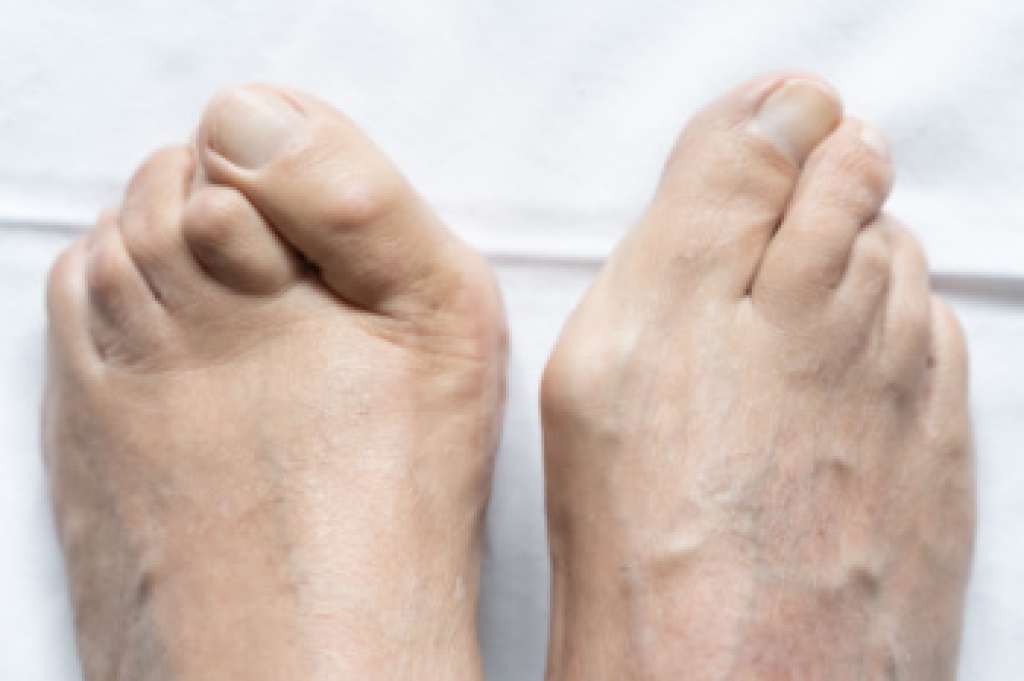
Ingrown toenails are caused when the corner or side of a toenail grows into the soft flesh surrounding it. They often result in redness, swelling, pain, and in some cases, infection. This condition typically affects the big toe and may recur if it is not treated properly.

Causes

  • Improper toenail trimming
  • Genetics
  • Improper shoe fitting
  • Injury from pedicures or nail picking
  • Abnormal gait
  • Poor hygiene

You are more likely to develop an ingrown toenail if you are obese, have diabetes, arthritis, or have any fungal infection in your nails. Additionally, people who have foot or toe deformities are at a higher risk of developing an ingrown toenail.

Symptoms

Some symptoms of ingrown toenails are redness, swelling, and pain. In rare cases, there may be a yellowish drainage coming from the nail.

Treatment

Ignoring an ingrown toenail can have serious complications. Infections of the nail border can progress to a deeper soft-tissue infection, which can then turn into a bone infection. You should always speak with your podiatrist if you suspect you have an ingrown toenail, especially if you have diabetes or poor circulation.

If you have any questions, please feel free to contact our offices located in Kingwood, Humble, The Woodlands, and Conroe, TX . We offer the newest diagnostic and treatment technologies for all your foot care needs.
Read more about Ingrown Toenails

Connect With Us

Advanced Podiatric Procedures & Services in the Harris County, TX: Houston, Kingwood, Humble, Spring;  Atascosa County, TX: Atascocita; Montgomery County, TX: The Woodlands, Conroe, New Caney areas