
Plantar warts are small growths that develop on parts of the feet that bear weight. They're typically found on the bottom of the foot. Don't live with plantar warts, and call us today!
Plantar warts are small growths that develop on parts of the feet that bear weight. They're typically found on the bottom of the foot. Don't live with plantar warts, and call us today!
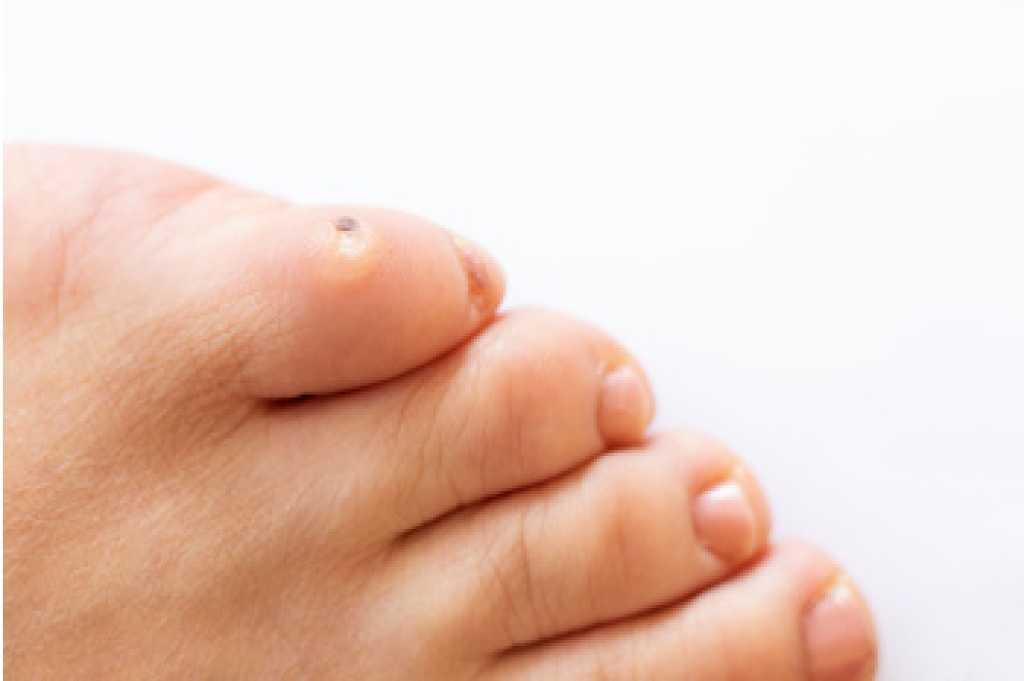
Foot corns are small, concentrated areas of thickened skin that form as a natural defense against repeated pressure or friction. They typically develop on or around the toes, especially along the top, sides, or between toes where footwear creates constant rubbing. Unlike calluses, which are larger and spread out, corns are more defined and often have a hardened center that presses into deeper layers of skin. This focused pressure can lead to discomfort and interfere with normal foot function, particularly for individuals who spend extended periods standing or walking.
Symptoms of foot corns usually begin with localized tenderness and irritation in the affected area. Many individuals notice discomfort when wearing shoes or during walking activities. The skin may feel rough and thick, and a small, hardened core may become visible over time. Pain often increases when direct pressure is applied and may improve once the source of friction is removed. In some cases, inflammation can develop around the corn, making the surrounding skin more sensitive. Early identification of these symptoms allows for more effective care and reduces the likelihood of worsening discomfort.
The primary cause of foot corns is repeated friction or pressure from ill-fitting footwear. Tight shoes, high-heeled styles, and narrow toe boxes can force the toes into unnatural positions, increasing stress on specific areas. Structural foot conditions such as hammertoes or misaligned joints can also contribute by creating uneven pressure points. Without proper intervention, continued irritation may cause the corn to become more painful and persistent.
Risk factors include wearing poorly fitted shoes, having underlying foot deformities, and engaging in activities that place repeated stress on the feet. Preventive steps include selecting properly fitted footwear, using protective padding, and maintaining regular foot care. Addressing the root cause is key to long-term relief. If you have developed a corn on your foot, it is suggested that you consult a podiatrist for effective relief and treatment solutions.
Corns can make walking very painful and should be treated immediately. If you have questions regarding your feet and ankles, contact one of our podiatrists of Houston Foot and Ankle. Our doctors will treat your foot and ankle needs.
Corns: What Are They? And How Do You Get Rid of Them?
Corns are thickened areas on the skin that can become painful. They are caused by excessive pressure and friction on the skin. Corns press into the deeper layers of the skin and are usually round in shape.
Ways to Prevent Corns
There are many ways to get rid of painful corns such as:
Treating Corns
Although most corns slowly disappear when the friction or pressure stops, this isn’t always the case. Consult with your podiatrist to determine the best treatment option for your case of corns.
If you have any questions, please feel free to contact our offices located in Kingwood, Humble, The Woodlands, and Conroe, TX . We offer the newest diagnostic and treatment technologies for all your foot care needs.
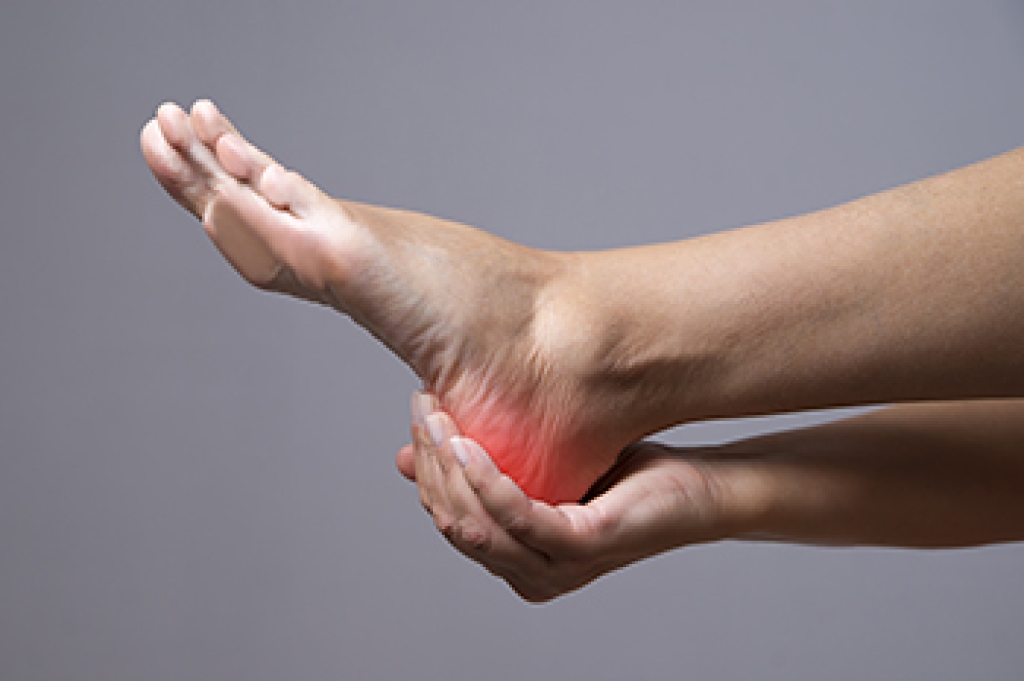
Heel pain can make walking, standing, and daily activities uncomfortable. It may develop suddenly after an injury or appear slowly from repeated stress on the foot. One common cause is plantar fasciitis, which involves irritation of the strong band of tissue that supports the arch and connects to the heel. Pain may also come from Achilles tendon irritation, bursitis, or a heel fracture. Symptoms can include sharp pain under the heel, aching at the back of the heel, or discomfort that worsens after activity. Pain that continues or returns often means the heel needs professional attention. Early evaluation can help identify the cause before the problem becomes harder to treat.
A podiatrist can examine the heel and determine what may be causing the pain. During the visit, the podiatrist checks the location of discomfort, foot movement, and signs of swelling or injury. Imaging may be recommended if a fracture, bone spur, or deeper injury is suspected. Treatment depends on the diagnosis and may include custom orthotics, medical therapies, or advanced care when needed. A podiatrist can also evaluate how foot structure and walking patterns may be adding stress to the heel. This helps create a treatment plan that supports healing and improves comfort.
Professional heel pain treatment can help restore mobility and protect long-term foot health. Delaying care may allow irritation, inflammation, or injury to worsen over time. A podiatrist can monitor progress and adjust treatment as symptoms improve. Proper diagnosis is especially important, because other heel conditions can feel similar but require different care. Whether pain is under the heel or near the back of the ankle, podiatry care can help address the source of discomfort. If you have ongoing heel pain, it is suggested that you consult a podiatrist for an evaluation.
Many people suffer from bouts of heel pain. For more information, contact one of our podiatrists of Houston Foot and Ankle. Our doctors can provide the care you need to keep you pain-free and on your feet.
Causes of Heel Pain
Heel pain is often associated with plantar fasciitis. The plantar fascia is a band of tissues that extends along the bottom of the foot. A rip or tear in this ligament can cause inflammation of the tissue.
Achilles tendonitis is another cause of heel pain. Inflammation of the Achilles tendon will cause pain from fractures and muscle tearing. Lack of flexibility is also another symptom.
Heel spurs are another cause of pain. When the tissues of the plantar fascia undergo a great deal of stress, it can lead to ligament separation from the heel bone, causing heel spurs.
Why Might Heel Pain Occur?
Treatments
Heel pain should be treated as soon as possible for immediate results. Keeping your feet in a stress-free environment will help. If you suffer from Achilles tendonitis or plantar fasciitis, applying ice will reduce the swelling. Stretching before an exercise like running will help the muscles. Using all these tips will help make heel pain a condition of the past.
If you have any questions, please feel free to contact our offices located in Kingwood, Humble, The Woodlands, and Conroe, TX . We offer the newest diagnostic and treatment technologies for all your foot care needs.

High heels are a popular footwear choice, but they can place significant stress on the feet and contribute to foot pain, over time. While wearing high heels, the body's weight shifts forward onto the front of the foot, increasing pressure on the toes and ball of the foot. This altered position can affect balance and change the way a person walks. As a result, many individuals experience discomfort, burning sensations, or pain after prolonged wear. High heels may also contribute to the development of common foot conditions that affect comfort and mobility. Because the feet serve as the foundation for movement, ongoing stress from footwear can have a noticeable impact on daily activities.
The height and design of a shoe can influence how much strain is placed on the foot and ankle. Higher heels often increase pressure on the forefoot and may gradually shorten certain muscles and tendons. This can contribute to pain in the feet, ankles, and lower legs. Some people may also develop issues like bunions, hammertoes, or calluses due to repeated pressure and crowding of the toes. In addition, altered walking mechanics caused by wearing high heels can place extra stress on joints throughout the lower body. While symptoms may begin as mild discomfort, they can gradually become more persistent if the underlying causes are not addressed.
A podiatrist can help evaluate foot pain related to high-heel use and identify any conditions that may be contributing to symptoms. Through a comprehensive examination, a podiatrist can assess foot structure, gait, and overall foot function. Professional podiatric care focuses on relieving pain, improving mobility, and addressing foot problems before they become more severe. Early evaluation may help reduce the risk of long-term complications and support healthier foot function. Maintaining proper foot health is essential for comfort and mobility at every stage of life. If you have foot pain associated with wearing high heels, it is suggested that you consult a podiatrist for an evaluation and appropriate relief solutions.
High heels have a history of causing foot and ankle problems. If you have any concerns about your feet or ankles, contact one of our podiatrists from Houston Foot and Ankle. Our doctors can provide the care you need to keep you pain-free and on your feet.
Effects of High Heels on the Feet
High heels are popular shoes among women because of their many styles and societal appeal. Despite this, high heels can still cause many health problems if worn too frequently.
Which Parts of My Body Will Be Affected by High Heels?
What Kinds of Foot Problems Can Develop from Wearing High Heels?
How Can I Still Wear High Heels and Maintain Foot Health?
If you want to wear high heeled shoes, make sure that you are not wearing them every day, as this will help prevent long term physical problems. Try wearing thicker heels as opposed to stilettos to distribute weight more evenly across the feet. Always make sure you are wearing the proper shoes for the right occasion, such as sneakers for exercising. If you walk to work, try carrying your heels with you and changing into them once you arrive at work. Adding inserts to your heels can help cushion your feet and absorb shock. Full foot inserts or metatarsal pads are available.
If you have any questions, please feel free to contact our offices located in Kingwood, Humble, The Woodlands, and Conroe, TX . We offer the newest diagnostic and treatment technologies for all your foot care needs.
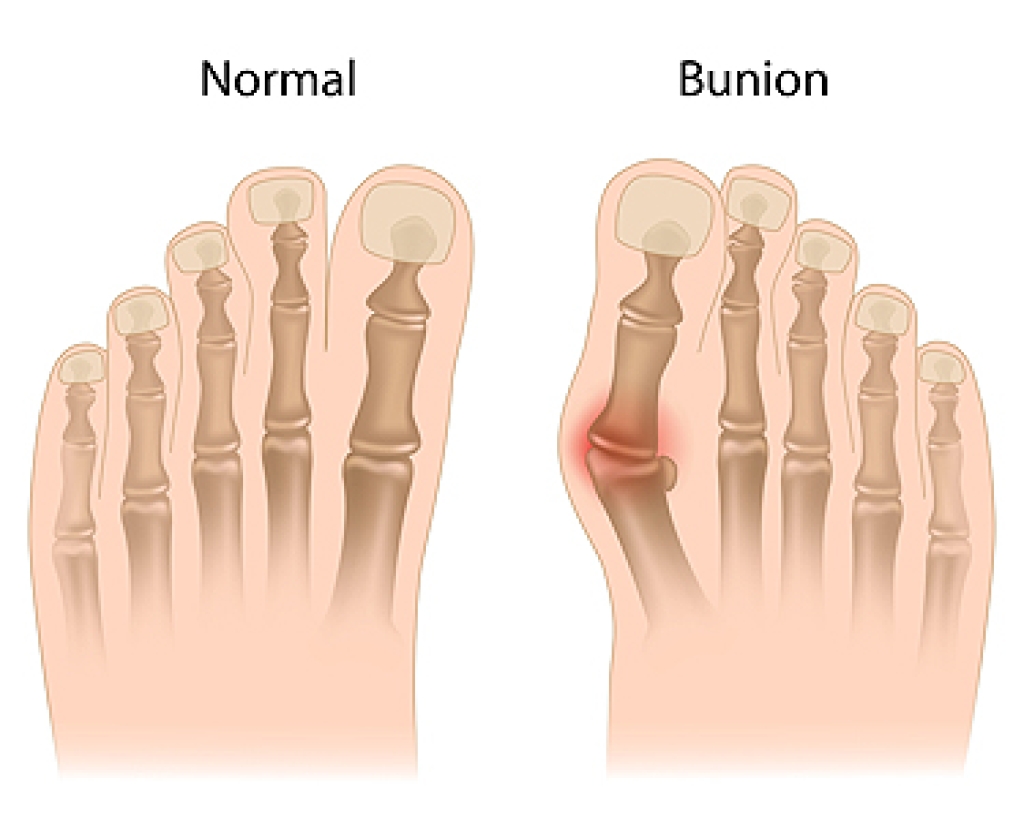
A bunion is a bony bump that forms at the base of the big toe when the joint shifts out of alignment. It often appears as the toe leans toward the second toe, while the joint becomes prominent and swollen. This condition can develop due to inherited foot structure, flat feet, or joint instability. Wearing tight or narrow shoes may worsen the problem, especially in people who already have risk factors. Common symptoms include pain, redness, stiffness, and difficulty wearing certain shoes. As the bunion progresses, walking may become uncomfortable, and balance can be affected. A podiatrist can assess the severity and order X-rays and other imaging if needed. Treatment options include custom orthotics or surgical correction to restore alignment and reduce pain. If you have developed a bunion, it is suggested that you are under the care of a podiatrist who can help you to manage this type of foot deformity.
If you are suffering from bunion pain, contact one of our podiatrists of Houston Foot and Ankle. Our doctors can provide the care you need to keep you pain-free and on your feet.
What Is a Bunion?
Bunions are painful bony bumps that usually develop on the inside of the foot at the joint of the big toe. As the deformity increases over time, it may become painful to walk and wear shoes. Women are more likely to exacerbate existing bunions since they often wear tight, narrow shoes that shift their toes together. Bunion pain can be relieved by wearing wider shoes with enough room for the toes.
Causes
Symptoms
In order to diagnose your bunion, your podiatrist may ask about your medical history, symptoms, and general health. Your doctor might also order an x-ray to take a closer look at your feet. Nonsurgical treatment options include orthotics, padding, icing, changes in footwear, and medication. If nonsurgical treatments don’t alleviate your bunion pain, surgery may be necessary.
If you have any questions, please feel free to contact our offices located in Kingwood, Humble, The Woodlands, and Conroe, TX . We offer the newest diagnostic and treatment technologies for all your foot care needs.
Connect With Us
