How Psoriatic Arthritis Causes Foot Pain

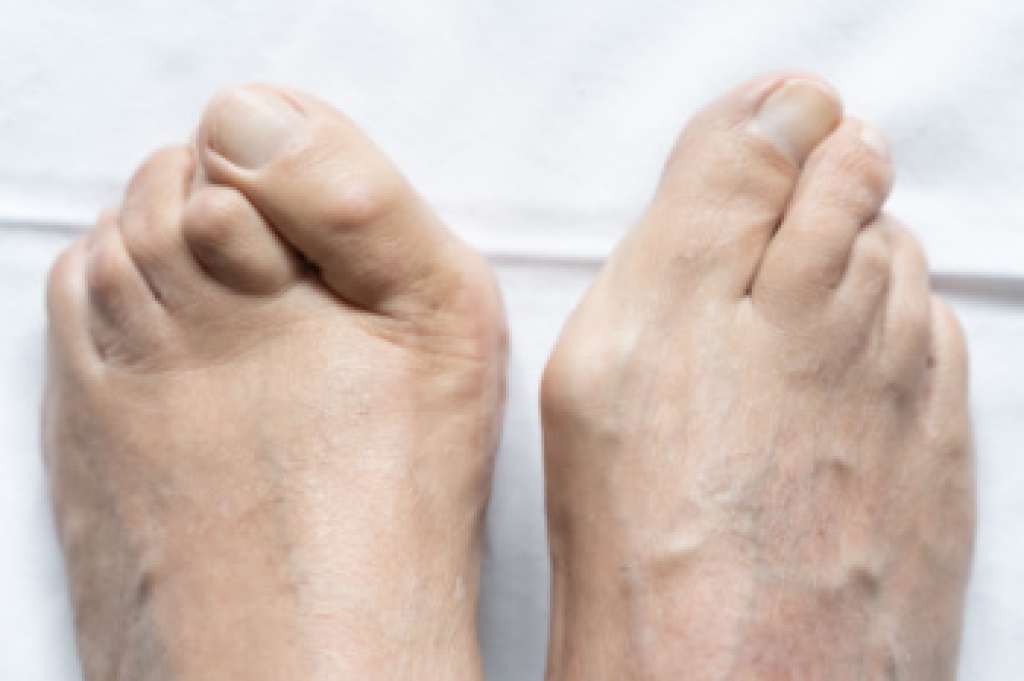
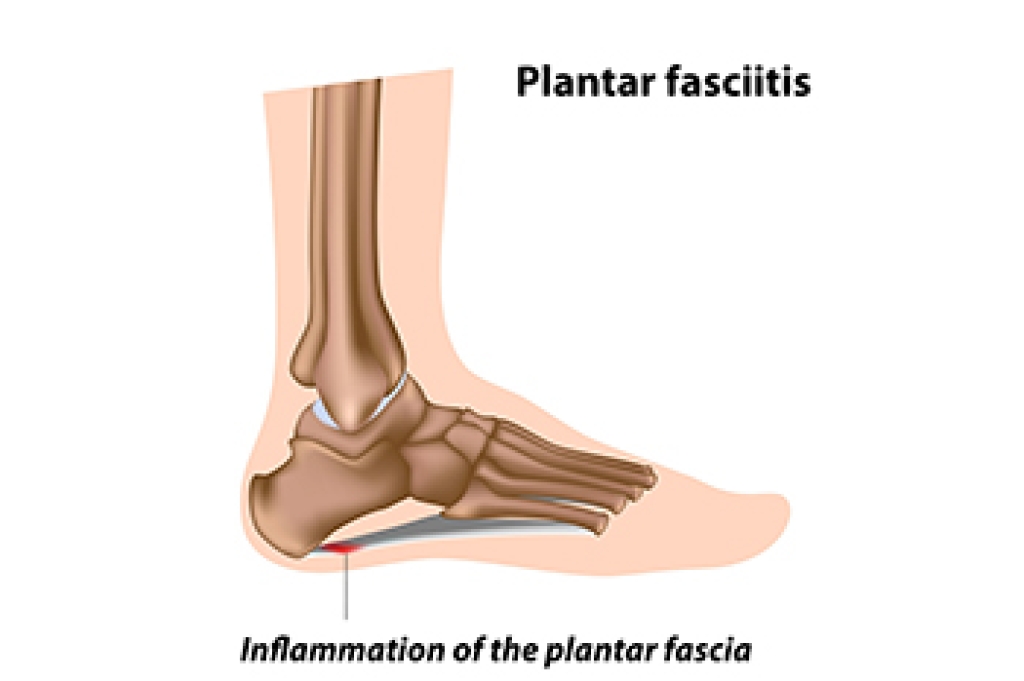
Psoriatic arthritis is an inflammatory disease that affects the joints and areas where tendons attach to bones. It develops in some people with psoriasis, a condition that causes thick, scaly patches of skin. However, joint symptoms can appear before these skin changes. In the feet, inflammation can cause pain, stiffness, and swelling. The toes may become swollen along their full length, creating a sausage-like appearance. Heel pain can develop where the Achilles tendon joins the heel bone or where the plantar fascia connects beneath the heel. Some patients also feel tenderness in the ankles or pain across the ball of the foot. These symptoms can make standing, climbing stairs, and walking difficult.

Foot problems can vary among patients. Joint swelling can reduce movement and change how weight passes through the foot. This altered pressure can lead to calluses, balance problems, or discomfort in nearby joints. Inflammation may also affect the toenails. Signs include pitting, thickening, and separation from the nail bed. Because these changes can resemble other foot conditions, an accurate diagnosis is important. A podiatrist can examine the feet, review the symptoms, and assess joint movement. The evaluation can also identify areas of abnormal pressure and rule out injuries or other causes of pain.

A podiatrist can help protect foot function and make daily movement more comfortable. Treatment includes custom orthotics to improve support, padding to reduce pressure, and recommendations for properly fitted shoes. A podiatrist can also provide professional care for painful nails or calluses. When inflammation changes the shape or movement of a joint, braces or other supportive devices help improve stability. Regular foot examinations help track joint problems and identify skin or nail concerns before they become harder to manage. If you have foot pain related to psoriatic arthritis, it is suggested that you schedule an appointment with a podiatrist for effective relief and management solutions.

Arthritis can be a difficult condition to live with. If you are seeking treatment, contact one of our podiatrists from Houston Foot and Ankle. Our doctors can provide the care you need to keep you pain-free and on your feet.

Arthritic Foot Care  

Arthritis is a joint disorder that involves the inflammation of different joints in your body, such as those in your feet. Arthritis is often caused by a degenerative joint disease and causes mild to severe pain in all affected areas. In addition to this, swelling and stiffness in the affected joints can also be a common symptom of arthritis.

In many cases, wearing ill-fitting shoes can worsen the effects and pain of arthritis. Wearing shoes that have a lower heel and extra room can help your feet feel more comfortable. In cases of rheumatoid arthritis, the arch in your foot may become problematic. Buying shoes with proper arch support that contour to your feet can help immensely.

Alleviating Arthritic Pain

  • Exercises that stretch the foot can prevent further pain and injury and increase mobility
  • Most of the pain can be alleviated with anti-inflammatory drugs, heat, and topical medications
  • Massages can help temporarily alleviate pain.

It is best to see your doctor for the treatment that is right for your needs and symptoms. Conditions vary, and a podiatrist can help you determine the right method of care for your feet.

If you have any questions please feel free to contact our offices located in Kingwood, Humble, The Woodlands, and Conroe, TX . We offer the newest diagnostic tools and technology to treat your foot and ankle needs.

Read more about Arthritic Foot Care

Understanding Foot Blisters and Their Causes

Blisters can develop when skin repeatedly rubs against shoes, socks, or another surface. This friction can damage the upper layers of skin and cause a pocket of fluid to form. Blisters commonly appear on the feet, especially after walking, running, or other physical activity. Shoes that fit too tightly or too loosely can increase friction. Moisture can also make the skin more likely to rub and become irritated. A blister can feel tender, painful, or uncomfortable when pressure is placed on the affected area.

A podiatrist can evaluate a foot blister and determine whether it is related to friction, an infection, or another foot problem. The examination can also help identify factors that could lead to repeated blisters. Podiatric care can include protecting the affected area with appropriate dressings or padding. A podiatrist can also determine whether a large or painful blister needs to be drained safely. This can reduce pressure while helping protect the skin from further damage. Patients with diabetes, poor circulation, or other conditions that affect healing can benefit from prompt evaluation of foot wounds and blisters.

Blisters should also be evaluated when they are persistent, unusually painful, or show signs of infection. These signs can include increased redness, swelling, or worsening pain. A podiatrist can assess the area and provide treatment based on the condition of the skin and the cause of the blister. Professional care can also help address pressure points or other foot concerns that contribute to repeated skin irritation. Identifying these problems can help reduce the chance of additional injury and support proper healing. A podiatrist can also check whether footwear fit, foot structure, or activity-related pressure is contributing to the problem and recommend appropriate professional care to protect the skin. If you frequently develop foot blisters, it is suggested that you schedule an appointment with a podiatrist for effective relief and prevention tips.

Blisters are prone to making everyday activities extremely uncomfortable. If your feet are hurting, contact one of our podiatrists of Houston Foot and Ankle. Our doctors can provide the care you need to keep you pain-free and on your feet.

Foot Blisters

Foot blisters develop as a result of constantly wearing tight or ill-fitting footwear. This happens due to the constant rubbing from the shoe, which can often lead to pain.

What Are Foot Blisters?

A foot blister is a small fluid-filled pocket that forms on the upper-most layer of the skin. Blisters are filled with clear fluid and can lead to blood drainage or pus if the area becomes infected.

How Do Blisters Form?

Blisters on the feet are often the result of constant friction of skin and material, usually by shoe rubbing. Walking in sandals, boots, or shoes that don’t fit properly for long periods of time can result in a blister. Having consistent foot moisture and humidity can easily lead to blister formation.

Prevention & Treatment

It is important to properly care for the affected area in order to prevent infection and ease the pain. Do not lance the blister and use a Band-Aid to provide pain relief. Also, be sure to keep your feet dry and wear proper fitting shoes. If you see blood or pus in a blister, seek assistance from a podiatrist.

If you have any questions, please feel free to contact our offices located in Kingwood, Humble, The Woodlands, and Conroe, TX . We offer the newest diagnostic and treatment technologies for all your foot care needs.

Read more about Blisters

Bent Toes Can Signal a Hammertoe Deformity

A hammertoe deformity causes one of the smaller toes to bend at its middle joint instead of lying flat. The second toe is affected most frequently, although the condition can develop in other toes. It begins when the muscles and tendons that control the toe become unbalanced. This imbalance pulls the toe into an abnormal position. Possible causes include an inherited foot structure, a previous injury, or arthritis. A bunion can also push against the second toe and increase the risk of hammertoe. The joint can remain flexible at first but can later become stiff and fixed in place.

Symptoms usually develop when the bent toe rubs against the inside of a shoe. Patients can experience pain, redness, and swelling around the raised joint. A corn can form on top of the toe, while a callus can develop beneath the front of the foot. These thickened areas of skin result from repeated pressure and friction. Pain can become worse while walking or when wearing shoes with a narrow toe box. A podiatrist can examine the toe, test its flexibility, and check for related problems. Weight-bearing X-rays can show the position of the bones and the severity of the deformity.

Treatment depends on whether the toe is flexible or rigid and how much discomfort it causes. A podiatrist can recommend shoes with a deep, wide toe box to reduce pressure. Custom orthotics can improve the way weight is spread across the foot. Professional padding or splinting can also protect irritated skin and help position a flexible toe. The podiatrist can safely treat painful corns and calluses without damaging healthy tissue. Early care can help prevent increasing stiffness, skin sores, and continued pain. If you are in pain from a hammertoe deformity, it is suggested that you schedule an appointment with a podiatrist for a diagnosis and appropriate treatment.

Hammertoe

Hammertoes can be a painful condition to live with. For more information, contact one of our podiatrists from Houston Foot and Ankle. Our doctors will answer any of your foot- and ankle-related questions.

Hammertoe is a foot deformity that affects the joints of the second, third, fourth, or fifth toes of your feet. It is a painful foot condition in which these toes curl and arch up, which can often lead to pain when wearing footwear.

Symptoms

  • Pain in the affected toes
  • Development of corns or calluses due to friction
  • Inflammation
  • Redness
  • Contracture of the toes

Causes

Genetics – People who are genetically predisposed to hammertoe are often more susceptible

Arthritis – Because arthritis affects the joints in your toes, further deformities stemming from arthritis can occur

Trauma – Direct trauma to the toes could potentially lead to hammertoe

Ill-fitting shoes – Undue pressure on the front of the toes from ill-fitting shoes can potentially lead to the development of hammertoe

Treatment

Orthotics – Custom made inserts can be used to help relieve pressure placed on the toes and therefore relieve some of the pain associated with it

Medications – Oral medications such as anti-inflammatories or NSAIDs could be used to treat the pain and inflammation hammertoes causes. Injections of corticosteroids are also sometimes used

Surgery – In more severe cases where the hammertoes have become more rigid, foot surgery is a potential option

If you have any questions, please feel free to contact our offices located in Kingwood, Humble, The Woodlands, and Conroe, TX . We offer the newest diagnostic and treatment technologies for all your foot care needs.

Read more about What Are Hammertoes?

Common Causes of Outer Side Foot Pain

Pain on the outer side of the foot, also known as lateral foot pain, can affect walking, balance, and daily comfort. This type of pain may develop suddenly due to injury, or gradually from overuse and underlying conditions. The outer foot supports weight during movement, making it vulnerable to strain and stress. Several conditions can lead to discomfort in this area, including ankle sprains, bunionettes, and Achilles tendinitis. Understanding the source of pain is important for proper care and recovery.

Symptoms of lateral foot pain vary depending on the cause. An ankle sprain often results in swelling, bruising, and tenderness along the outer ankle, especially after a twist or fall. Arthritis can cause stiffness, aching, and reduced joint flexibility, which may worsen with activity. A bunionette, also called a tailor’s bunion, appears as a bony bump near the base of the small toe and can lead to redness, irritation, and pressure from shoes. Achilles tendinitis may cause pain near the back of the heel that can extend along the outer foot, along with stiffness and discomfort during movement.


The causes of pain on the outer side of the foot often involve repetitive stress, injury, or structural issues. Ankle sprains occur when ligaments are stretched or torn, usually from sudden movement. Arthritis develops over time due to joint wear or inflammation. Bunionettes may develop from foot structure or wearing tight footwear that places pressure on the outer foot. Additionally, Achilles tendinitis is typically caused by overuse, especially in activities that involve running or jumping. Each condition affects the foot differently but can lead to ongoing discomfort if not addressed.


Risk factors for lateral foot pain include wearing improper footwear, high impact activities, and a history of previous injuries. If you have pain on the outer side of your foot, it is suggested that you consult a podiatrist for an accurate diagnosis and appropriate treatment.

Foot Pain

Foot pain can be extremely painful and debilitating. If you have a foot pain, consult with one of our podiatrists from Houston Foot and Ankle. Our doctors will assess your condition and provide you with quality foot and ankle treatment.

Causes

Foot pain is a very broad condition that could be caused by one or more ailments. The most common include:

  • Bunions
  • Hammertoes
  • Plantar Fasciitis
  • Bone Spurs
  • Corns
  • Tarsal Tunnel Syndrome
  • Ingrown Toenails
  • Arthritis (such as Gout, Rheumatoid, and Osteoarthritis)
  • Flat Feet
  • Injury (from stress fractures, broken toe, foot, ankle, Achilles tendon ruptures, and sprains)
  • And more

Diagnosis

To figure out the cause of foot pain, podiatrists utilize several different methods. This can range from simple visual inspections and sensation tests to X-rays and MRI scans. Prior medical history, family medical history, and any recent physical traumatic events will all be taken into consideration for a proper diagnosis.

Treatment

Treatment depends upon the cause of the foot pain. Whether it is resting, staying off the foot, or having surgery; podiatrists have a number of treatment options available for foot pain.

If you have any questions, please feel free to contact our offices located in Kingwood, Humble, The Woodlands, and Conroe, TX . We offer the newest diagnostic and treatment technologies for all your foot care needs.

Read more about Foot Pain

Gout Pain Can Be Managed

Gout is a painful, inflammatory form of arthritis. Those affected will typically feel an intense stiffness in the joints of their feet, particularly in the big toe. Schedule a visit to learn about how gout can be managed and treated.

Connect With Us

Advanced Podiatric Procedures & Services in the Harris County, TX: Houston, Kingwood, Humble, Spring;  Atascosa County, TX: Atascocita; Montgomery County, TX: The Woodlands, Conroe, New Caney areas