
Recognizing Athlete’s Foot Early

Athlete's foot is a fungal infection that primarily affects the outer layer of the skin on the feet. It develops when fungi grow in damp environments, making the feet an ideal location, especially when enclosed in shoes for long periods. This condition is not limited to athletes, despite its name, and can affect anyone who comes into contact with contaminated surfaces. Early awareness of symptoms and causes can help individuals take prompt action and reduce the risk of complications or spreading the infection.

The symptoms of athlete's foot can vary in severity, but most cases begin with an itchy rash that may feel worse after removing shoes and socks. The skin may appear red, scaly, or dry, particularly between the toes. As the infection progresses, cracks may form, sometimes leading to soreness and discomfort while walking. In certain cases, small sores or blisters develop, which may break open and increase the risk of secondary infection. A burning sensation or stinging feeling may also occur, making the condition difficult to ignore.


Risk factors for athlete's foot are closely linked to lifestyle and environmental exposure. Individuals who frequently use communal showers or locker rooms are at higher risk due to increased exposure to fungi. Wearing damp socks or shoes for extended periods contributes to the growth of microorganisms. People with a weakened immune system or chronic condition may be more susceptible. In addition, failing to properly clean and dry the feet after bathing can create the perfect conditions for infection to thrive and spread.


Treatment focuses on eliminating the fungal infection and restoring healthy skin. Antifungal creams and powders are commonly used and are effective when applied consistently as directed. In cases where the infection does not improve, a podiatrist may recommend stronger prescription medication. Maintaining proper foot hygiene, allowing shoes to air out, and avoiding barefoot exposure in public areas can help prevent recurrence. If symptoms such as persistent itching, cracked skin, or spreading rash develop, it is strongly suggested that you consult a podiatrist for effective treatment solutions, which often includes prescribed medication. 

Athlete’s Foot

Athlete’s foot is often an uncomfortable condition to experience. Thankfully, podiatrists specialize in treating athlete’s foot and offer the best treatment options. If you have any questions about athlete’s foot, consult with one of our podiatrists from Houston Foot and Ankle. Our doctors will assess your condition and provide you with quality treatment.

What Is Athlete’s Foot?

Tinea pedis, more commonly known as athlete’s foot, is a non-serious and common fungal infection of the foot. Athlete’s foot is contagious and can be contracted by touching someone who has it or infected surfaces. The most common places contaminated by it are public showers, locker rooms, and swimming pools. Once contracted, it grows on feet that are left inside moist, dark, and warm shoes and socks.

Prevention

The most effective ways to prevent athlete’s foot include:

  • Thoroughly washing and drying feet
  • Avoid going barefoot in locker rooms and public showers
  • Using shower shoes in public showers
  • Wearing socks that allow the feet to breathe
  • Changing socks and shoes frequently if you sweat a lot

Symptoms

Athlete’s foot initially occurs as a rash between the toes. However, if left undiagnosed, it can spread to the sides and bottom of the feet, toenails, and if touched by hand, the hands themselves. Symptoms include:

  • Redness
  • Burning
  • Itching
  • Scaly and peeling skin

Diagnosis and Treatment

Diagnosis is quick and easy. Skin samples will be taken and either viewed under a microscope or sent to a lab for testing. Sometimes, a podiatrist can diagnose it based on simply looking at it. Once confirmed, treatment options include oral and topical antifungal medications.

If you have any questions, please feel free to contact our offices located in Kingwood, Humble, The Woodlands, and Conroe, TX . We offer the newest diagnostic and treatment technologies for all your foot care needs.

Read more about How to Deal with Athlete's Foot

Do You Suffer From Painful Feet?

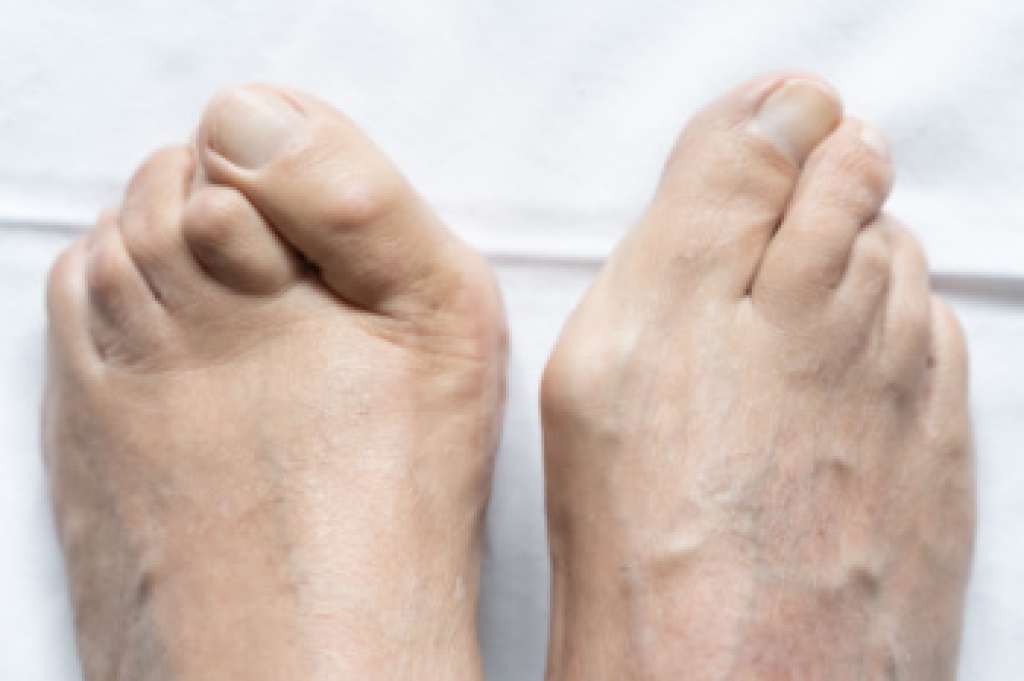
Painful deformities, such as hammertoes, can be treated. Stop living with foot pain, and have beautiful feet again!

Various Causes of Toenail Problems

Toenail problems can develop for several reasons, including infection, improper nail growth, or injury to the nail unit. Common issues include fungal infection, ingrown toenails where the nail edge grows into the surrounding skin, and trauma from repeated pressure or direct injury. The toenail helps protect the tip of the toe and supports balance, but damage or infection can change its appearance and function. Nails may become thick, discolored, painful, or misshapen, and the surrounding skin may appear red, swollen, or tender. In some cases, drainage or lifting of the nail can occur. A podiatrist can evaluate the nail through an examination and determine the underlying cause. Treatment may include antifungal medications, proper nail care techniques, minor procedures for ingrown nails, and guidance on footwear to prevent further injury. If you are experiencing a toenail problem, it is suggested that you schedule an appointment with a podiatrist for an accurate diagnose and appropriate treatment.

Ingrown toenails can become painful if they are not treated properly. For more information about ingrown toenails, contact one of our podiatrists of Houston Foot and Ankle. Our doctors can provide the care you need to keep you pain-free and on your feet.

Ingrown Toenails

Ingrown toenails occur when a toenail grows sideways into the bed of the nail, causing pain, swelling, and possibly infection.

Causes

  • Bacterial infections
  • Improper nail cutting such as cutting it too short or not straight across
  • Trauma to the toe, such as stubbing, which causes the nail to grow back irregularly
  • Ill-fitting shoes that bunch the toes too close together
  • Genetic predisposition

Prevention

Wearing proper fitting shoes and using proper cutting techniques will also help decrease your risk of developing ingrown toenails.

Treatment

Ingrown toenails are a very treatable foot condition. In minor cases, soaking the affected area in salt or antibacterial soaps will not only help with the ingrown nail itself, but also help prevent any infections from occurring. In more severe cases, surgery is an option. In either case, speaking to your podiatrist about this condition will help you get a better understanding of specific treatment options that are right for you.

If you have any questions, please feel free to contact our offices located in Kingwood, Humble, The Woodlands, and Conroe, TX . We offer the newest diagnostic and treatment technologies for all your foot care needs.

Read more about Ingrown Toenails

Safe Toenail Trimming as You Age

Toenail trimming is a basic part of foot care, but it can become more difficult with age. Reduced flexibility, joint stiffness, and vision changes can make it harder to reach the feet or see the nails clearly. This may lead to nails being cut unevenly or too short, which can cause pain or increase the risk of ingrown nails and infection. Thickened nails are also more common with age, adding another challenge. What begins as a simple task can turn into a source of discomfort if not done properly. A podiatrist can safely trim nails, assess nail health, and identify early signs of fungal infection or other concerns. Regular visits can help prevent complications and maintain comfort while walking. If you have developed toenail problems or if it has become difficult to properly trim your nails, it is suggested that you consult a podiatrist who can help you with this important task. 

Everyday foot care is very important to prevent infection and other foot ailments. If you need your feet checked, contact one of our podiatrists from Houston Foot and Ankle. Our doctors can provide the care you need to keep you pain-free and on your feet.

Everyday Foot Care

Often, people take care of their bodies, face and hair more so than they do for their feet. But the feet are a very important aspect of our bodies, and one that we should pay more attention to. Without our feet, we would not be able to perform most daily tasks.

It is best to check your feet regularly to make sure there are no new bruises or cuts that you may not have noticed before. For dry feet, moisturizer can easily be a remedy and can be applied as often as necessary to the affected areas. Wearing shoes that fit well can also help you maintain good foot health, as well as making it easier to walk and do daily activities without the stress or pain of ill-fitting shoes, high heels, or even flip flops. Wearing clean socks with closed shoes is important to ensure that sweat and bacteria do not accumulate within the shoe. Clean socks help to prevent Athlete’s foot, fungi problems, bad odors, and can absorb sweat.

If you have any questions, please feel free to contact our offices located in Kingwood, Humble, The Woodlands, and Conroe, TX . We offer the newest diagnostic and treatment technologies for all your foot care needs.
Read more about Everyday Foot Care

Reasons Your Toenails May Hurt

Toenail pain can make it difficult to wear shoes or walk comfortably. Several problems can cause this type of pain. An ingrown toenail occurs when the edge of the nail grows into the surrounding skin. This leads to redness, swelling, and tenderness. Fungal infections can also cause discomfort and usually include thick, discolored, or brittle nails. Injuries from stubbing the toe or wearing tight shoes can cause bruising under the nail and sharp pain. In some cases, the toenail may loosen or lift from the skin beneath it. People with diabetes or poor circulation are at greater risk for toenail problems because small injuries can become serious more quickly. A podiatrist can examine the toenail, identify the cause of the pain, and provide proper treatment to help prevent infection or long-term damage. If you have ongoing toenail pain, it is suggested that you schedule an appointment with a podiatrist for appropriate treatment solutions.

Toe pain can disrupt your daily activities. If you have any concerns, contact one of our podiatrists of Houston Foot and Ankle. Our doctors can provide the care you need to keep you pain-free and on your feet.

What Causes Toe Pain?

Most severe toe pain is caused due to a sports injury, trauma from dropping something heavy on the toe, or bumping into something rigid. Other problems can develop over time for various reasons.

Toe pain can be caused by one or more ailments. The most common include:

  • Trauma
  • Sports injury
  • Wearing shoes that are too tight
  • Arthritis
  • Gout
  • Corns and calluses
  • Hammertoe
  • Bunions
  • Blisters
  • Ingrown toenails
  • Sprains
  • Fractures (broken bones)
  • Dislocations

When to See a Podiatrist

  • Severe pain
  • Persistent pain that lasts more than a week
  • Signs of infection
  • Continued swelling
  • Pain that prevents walking

Diagnosis

In many cases the cause of toe pain is obvious, but in others, a podiatrist may want to use more advanced methods to determine the problem. These can range from simple visual inspections and sensation tests to X-rays and MRI scans. Prior medical history, family medical history, and any recent physical traumatic events will all be taken into consideration for a proper diagnosis.

Treatment

Treatments for toe pain and injuries vary and may include shoe inserts, padding, taping, medicines, injections, and in some cases, surgery. If you believe that you have broken a toe, please see a podiatrist as soon as possible.

If you have any questions please contact our offices located in Kingwood, Humble, The Woodlands, and Conroe, TX . We offer the newest diagnostic and treatment technologies for all your foot and ankle needs.

Read more about Toe Pain

Connect With Us

Advanced Podiatric Procedures & Services in the Harris County, TX: Houston, Kingwood, Humble, Spring;  Atascosa County, TX: Atascocita; Montgomery County, TX: The Woodlands, Conroe, New Caney areas