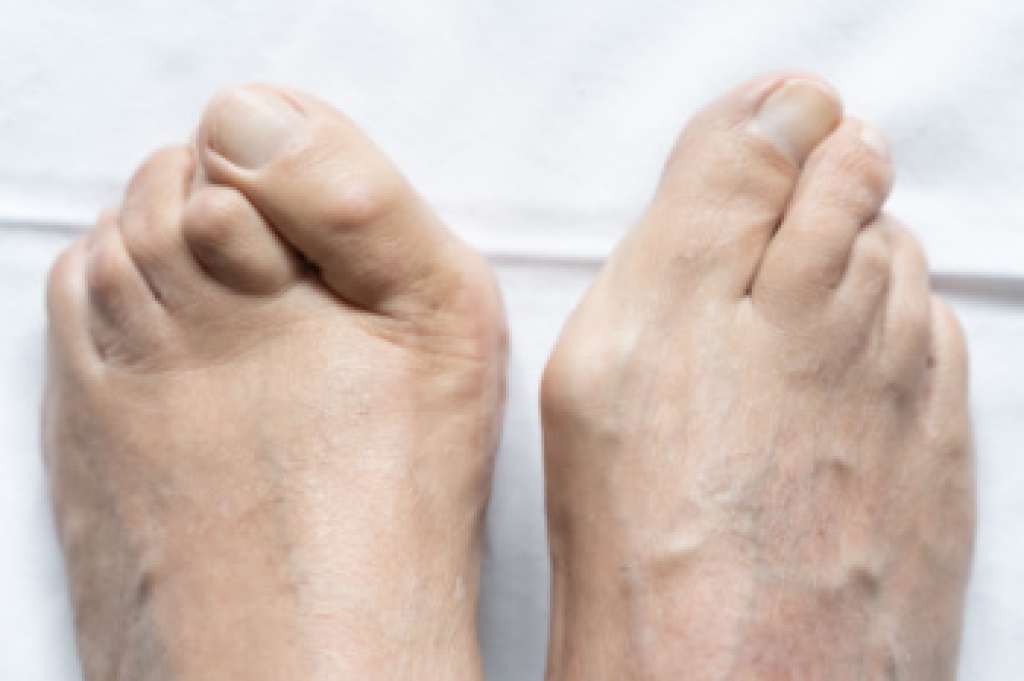
Bent Toes Can Signal a Hammertoe Deformity

A hammertoe deformity causes one of the smaller toes to bend at its middle joint instead of lying flat. The second toe is affected most frequently, although the condition can develop in other toes. It begins when the muscles and tendons that control the toe become unbalanced. This imbalance pulls the toe into an abnormal position. Possible causes include an inherited foot structure, a previous injury, or arthritis. A bunion can also push against the second toe and increase the risk of hammertoe. The joint can remain flexible at first but can later become stiff and fixed in place.

Symptoms usually develop when the bent toe rubs against the inside of a shoe. Patients can experience pain, redness, and swelling around the raised joint. A corn can form on top of the toe, while a callus can develop beneath the front of the foot. These thickened areas of skin result from repeated pressure and friction. Pain can become worse while walking or when wearing shoes with a narrow toe box. A podiatrist can examine the toe, test its flexibility, and check for related problems. Weight-bearing X-rays can show the position of the bones and the severity of the deformity.

Treatment depends on whether the toe is flexible or rigid and how much discomfort it causes. A podiatrist can recommend shoes with a deep, wide toe box to reduce pressure. Custom orthotics can improve the way weight is spread across the foot. Professional padding or splinting can also protect irritated skin and help position a flexible toe. The podiatrist can safely treat painful corns and calluses without damaging healthy tissue. Early care can help prevent increasing stiffness, skin sores, and continued pain. If you are in pain from a hammertoe deformity, it is suggested that you schedule an appointment with a podiatrist for a diagnosis and appropriate treatment.

Hammertoe

Hammertoes can be a painful condition to live with. For more information, contact one of our podiatrists from Houston Foot and Ankle. Our doctors will answer any of your foot- and ankle-related questions.

Hammertoe is a foot deformity that affects the joints of the second, third, fourth, or fifth toes of your feet. It is a painful foot condition in which these toes curl and arch up, which can often lead to pain when wearing footwear.

Symptoms

  • Pain in the affected toes
  • Development of corns or calluses due to friction
  • Inflammation
  • Redness
  • Contracture of the toes

Causes

Genetics – People who are genetically predisposed to hammertoe are often more susceptible

Arthritis – Because arthritis affects the joints in your toes, further deformities stemming from arthritis can occur

Trauma – Direct trauma to the toes could potentially lead to hammertoe

Ill-fitting shoes – Undue pressure on the front of the toes from ill-fitting shoes can potentially lead to the development of hammertoe

Treatment

Orthotics – Custom made inserts can be used to help relieve pressure placed on the toes and therefore relieve some of the pain associated with it

Medications – Oral medications such as anti-inflammatories or NSAIDs could be used to treat the pain and inflammation hammertoes causes. Injections of corticosteroids are also sometimes used

Surgery – In more severe cases where the hammertoes have become more rigid, foot surgery is a potential option

If you have any questions, please feel free to contact our offices located in Kingwood, Humble, The Woodlands, and Conroe, TX . We offer the newest diagnostic and treatment technologies for all your foot care needs.

Read more about What Are Hammertoes?

Common Causes of Outer Side Foot Pain

Pain on the outer side of the foot, also known as lateral foot pain, can affect walking, balance, and daily comfort. This type of pain may develop suddenly due to injury, or gradually from overuse and underlying conditions. The outer foot supports weight during movement, making it vulnerable to strain and stress. Several conditions can lead to discomfort in this area, including ankle sprains, bunionettes, and Achilles tendinitis. Understanding the source of pain is important for proper care and recovery.

Symptoms of lateral foot pain vary depending on the cause. An ankle sprain often results in swelling, bruising, and tenderness along the outer ankle, especially after a twist or fall. Arthritis can cause stiffness, aching, and reduced joint flexibility, which may worsen with activity. A bunionette, also called a tailor’s bunion, appears as a bony bump near the base of the small toe and can lead to redness, irritation, and pressure from shoes. Achilles tendinitis may cause pain near the back of the heel that can extend along the outer foot, along with stiffness and discomfort during movement.


The causes of pain on the outer side of the foot often involve repetitive stress, injury, or structural issues. Ankle sprains occur when ligaments are stretched or torn, usually from sudden movement. Arthritis develops over time due to joint wear or inflammation. Bunionettes may develop from foot structure or wearing tight footwear that places pressure on the outer foot. Additionally, Achilles tendinitis is typically caused by overuse, especially in activities that involve running or jumping. Each condition affects the foot differently but can lead to ongoing discomfort if not addressed.


Risk factors for lateral foot pain include wearing improper footwear, high impact activities, and a history of previous injuries. If you have pain on the outer side of your foot, it is suggested that you consult a podiatrist for an accurate diagnosis and appropriate treatment.

Foot Pain

Foot pain can be extremely painful and debilitating. If you have a foot pain, consult with one of our podiatrists from Houston Foot and Ankle. Our doctors will assess your condition and provide you with quality foot and ankle treatment.

Causes

Foot pain is a very broad condition that could be caused by one or more ailments. The most common include:

  • Bunions
  • Hammertoes
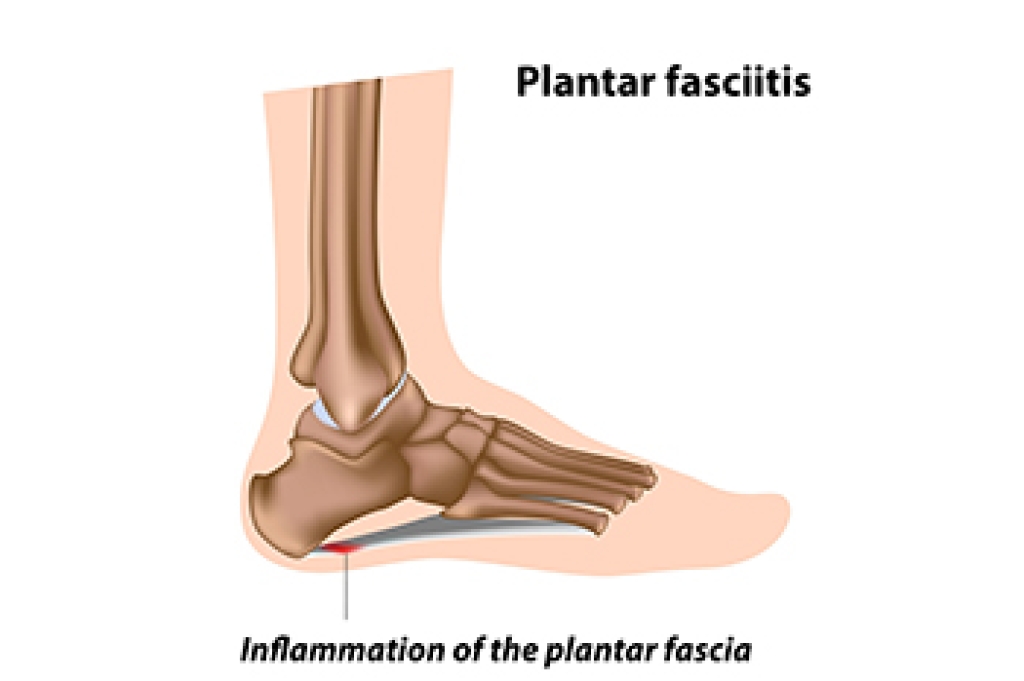
  • Plantar Fasciitis
  • Bone Spurs
  • Corns
  • Tarsal Tunnel Syndrome
  • Ingrown Toenails
  • Arthritis (such as Gout, Rheumatoid, and Osteoarthritis)
  • Flat Feet
  • Injury (from stress fractures, broken toe, foot, ankle, Achilles tendon ruptures, and sprains)
  • And more

Diagnosis

To figure out the cause of foot pain, podiatrists utilize several different methods. This can range from simple visual inspections and sensation tests to X-rays and MRI scans. Prior medical history, family medical history, and any recent physical traumatic events will all be taken into consideration for a proper diagnosis.

Treatment

Treatment depends upon the cause of the foot pain. Whether it is resting, staying off the foot, or having surgery; podiatrists have a number of treatment options available for foot pain.

If you have any questions, please feel free to contact our offices located in Kingwood, Humble, The Woodlands, and Conroe, TX . We offer the newest diagnostic and treatment technologies for all your foot care needs.

Read more about Foot Pain

Gout Pain Can Be Managed

Gout is a painful, inflammatory form of arthritis. Those affected will typically feel an intense stiffness in the joints of their feet, particularly in the big toe. Schedule a visit to learn about how gout can be managed and treated.

Why Volleyball Players Experience Ankle Sprains

Ankle sprains frequently affect volleyball players due to the physical demands of the sport. A sprain occurs when the ligaments around the ankle are stretched beyond their normal range, often during a sudden or forceful movement. This type of stretching injury commonly happens when players land improperly after a jump or shift direction quickly during play. The ankle may roll outward, placing excessive strain on the supporting ligaments and leading to injury.

The symptoms of an ankle sprain can vary, but often include swelling, pain, and bruising. Players may experience  instability and have difficulty walking or placing weight on the injured foot. In some cases, the ankle may feel weak or unstable during movement. Risk factors include frequent jumping, fast-paced directional changes, and close contact with other players. Wearing unsupportive footwear and skipping proper warm-up routines can further increase the risk of injury. Previous ankle injuries also make players more vulnerable to future sprains.


Ankle sprains are divided into three grades to describe their severity. A grade 1 sprain involves slight ligament stretching with mild symptoms and minimal swelling. A grade 2 sprain includes a partial ligament tear, causing moderate pain, swelling, and limited mobility. A grade 3 sprain is the most severe and involves a complete ligament tear, leading to intense pain, significant swelling, and an inability to bear weight. Accurate diagnosis helps determine the appropriate level of care.


Preventing ankle sprains in volleyball requires attention to strength, technique, and recovery. Balance training and wearing supportive footwear can improve stability and reduce stress on the ankle joint. Allowing time for recovery between games and practices is also important. Recognizing early symptoms can help prevent more serious injury. If you enjoy volleyball and have sprained your ankle, it is suggested that you consult a podiatrist who can offer effective relief and treatment solutions. 

Sports related foot and ankle injuries require proper treatment before players can go back to their regular routines. For more information, contact one of our podiatrists of Houston Foot and Ankle. Our doctors can provide the care you need to keep you pain-free and on your feet.

Sports Related Foot and Ankle Injuries

Foot and ankle injuries are a common occurrence when it comes to athletes of any sport. While many athletes dismiss the initial aches and pains, the truth is that ignoring potential foot and ankle injuries can lead to serious problems. As athletes continue to place pressure and strain the area further, a mild injury can turn into something as serious as a rupture and may lead to a permanent disability. There are many factors that contribute to sports related foot and ankle injuries, which include failure to warm up properly, not providing support or wearing bad footwear. Common injuries and conditions athletes face, including:

  • Plantar Fasciitis
  • Achilles Tendinitis
  • Achilles Tendon Rupture
  • Ankle Sprains

Sports related injuries are commonly treated using the RICE method. This includes rest, applying ice to the injured area, compression and elevating the ankle. More serious sprains and injuries may require surgery, which could include arthroscopic and reconstructive surgery. Rehabilitation and therapy may also be required in order to get any recovering athlete to become fully functional again. Any unusual aches and pains an athlete sustains must be evaluated by a licensed, reputable medical professional.

If you have any questions please contact our offices located in Kingwood, Humble, The Woodlands, and Conroe, TX . We offer the newest diagnostic and treatment technologies for all your foot and ankle needs.

Read more about Sports Related Foot and Ankle Injuries

When Athlete's Foot Requires Professional Care

Athlete's foot is a common fungal infection that affects the skin on the feet. Although it often begins between the toes, it can also spread to other areas of the foot if left untreated. The infection thrives in warm, moist environments, making locker rooms, public showers, and swimming pool areas common places for exposure. Symptoms include itching, burning, and cracked skin. Some people also notice redness, peeling, or a rash that causes ongoing discomfort. In more severe cases, the skin may become painful or develop blisters. Because other skin conditions can appear similar, a professional evaluation is important to confirm the cause and recommend the most appropriate treatment.


Several factors can increase the risk of developing athlete's foot. Wearing damp footwear, sharing personal items, or spending time in moist environments may increase the chance of infection. People who sweat heavily or have small breaks in the skin may also be more susceptible. Without proper treatment, the infection can spread to the toenails or other areas of the body. Persistent symptoms may also make walking and other daily activities uncomfortable. Identifying the infection early allows treatment to begin before the condition becomes more difficult to manage.


A podiatrist can diagnose athlete's foot by examining the affected skin and determining whether additional testing is needed. Professional treatment focuses on eliminating the fungal infection, relieving symptoms, and helping prevent complications. If the infection has spread or continues to return, a podiatrist can recommend more advanced treatment options based on the severity of the condition. Early podiatry care may also reduce the risk of long-term skin or nail problems. If itching, peeling, or burning skin on your feet is affecting your comfort, it is suggested that you consult a podiatrist for an evaluation and appropriate treatment options.

Athlete’s foot is an inconvenient condition that can be easily reduced with the proper treatment. If you have any concerns about your feet and ankles, contact one of our podiatrists from Houston Foot and Ankle.  Our doctors will treat your foot and ankle needs.

Athlete’s Foot: The Sole Story

Athlete's foot, also known as tinea pedis, can be an extremely contagious foot infection. It is commonly contracted in public changing areas and bathrooms, dormitory style living quarters, around locker rooms and public swimming pools, or anywhere your feet often come into contact with other people.

Solutions to Combat Athlete’s Foot

  • Hydrate your feet by using lotion
  • Exfoliate
  • Buff off nails
  • Use of anti-fungal products
  • Examine your feet and visit your doctor if any suspicious blisters or cuts develop

Athlete’s foot can cause many irritating symptoms such as dry and flaking skin, itching, and redness. Some more severe symptoms can include bleeding and cracked skin, intense itching and burning, and even pain when walking. In the worst cases, Athlete’s foot can cause blistering as well. Speak to your podiatrist for a better understanding of the different causes of Athlete’s foot, as well as help in determining which treatment options are best for you.

If you have any questions please feel free to contact our offices located in Kingwood, Humble, The Woodlands, and Conroe, TX . We offer the newest diagnostic and treatment technologies for all your foot and ankle needs.

Read more about Athlete’s Foot

Connect With Us

Advanced Podiatric Procedures & Services in the Harris County, TX: Houston, Kingwood, Humble, Spring;  Atascosa County, TX: Atascocita; Montgomery County, TX: The Woodlands, Conroe, New Caney areas